Across the Gulf, fitness has moved from a niche pursuit to a mainstream part of daily life, and the demand for american protein uae shoppers recognise from US gyms and supermarkets has grown right alongside it. Walk into a modern grocery in Dubai, Abu Dhabi or Riyadh and you will increasingly see whey blends, ready-to-drink shakes and protein bars carrying familiar American branding. For consumers chasing performance and convenience, and for retailers trying to keep shelves relevant, this category has become impossible to ignore.
The appeal is straightforward. American protein and sports nutrition products have decades of formulation experience behind them, recognisable brand stories, and flavours that travel well. As the region's appetite for structured training, clean eating and on-the-go fuelling has matured, so has the expectation that the products people see online and on social media will actually be available locally and at a fair price.
This article looks closely at why the category resonates so strongly in the UAE and the wider GCC, which formats are driving growth, how climate and culture shape buying behaviour, and what retail buyers and distributors should weigh up when they build a credible, profitable range. Whether you are a shopper trying to understand the landscape or a buyer planning your next assortment, the goal here is a practical, honest picture rather than hype.
Why American Protein Resonates in the Gulf
A few cultural and lifestyle factors line up neatly here. The UAE and wider GCC have young, active populations with high smartphone use, which means international fitness trends arrive almost instantly. When a popular American protein bar or supplement goes viral, regional shoppers want it on their own shelves rather than paying for slow, uncertain international shipping with unpredictable customs charges.
There is also a strong trust factor. Many American sports nutrition brands are associated with transparent labelling, third-party testing and consistent quality. For a buyer deciding what to put in their basket, that perceived reliability matters as much as the taste. We see this firsthand across %our range of American food products%, where the protein and active-nutrition lines move quickly once they are properly available and stocked.
A culture of measurable goals
The modern Gulf fitness scene is unusually goal-oriented. Boutique studios, performance gyms and structured training programmes encourage people to track workouts, count macros and treat recovery seriously. American sports nutrition was, in many ways, built for exactly this mindset: clearly labelled protein content, defined serving sizes and products engineered for specific moments such as pre-workout, intra-workout and post-workout. That alignment between how Gulf consumers train and how American brands present their products is a big part of why the category fits so naturally.
Social media accelerates everything. Fitness creators and athletes share their routines and the products that support them, and because so much of that content originates in the United States, American brands enjoy a head start in mindshare. By the time a shopper walks into a store, they often already have a specific name in mind, which rewards retailers who carry recognisable lines rather than generic substitutes.
The Categories Driving Growth
Sports nutrition is broad, but a handful of formats account for most of the momentum in the region. Understanding them helps retailers and distributors decide where to focus their shelf space and their working capital.
- Protein powders, including whey, casein and plant-based blends for shoppers who want flexibility and value per serving.
- Protein bars and high-protein snacks for busy professionals and gym-goers who need portable options.
- Ready-to-drink shakes that fit a grab-and-go lifestyle in a hot climate.
- Functional snacks such as protein cookies, crisps and nut-based bites that bridge the gap between treat and fuel.
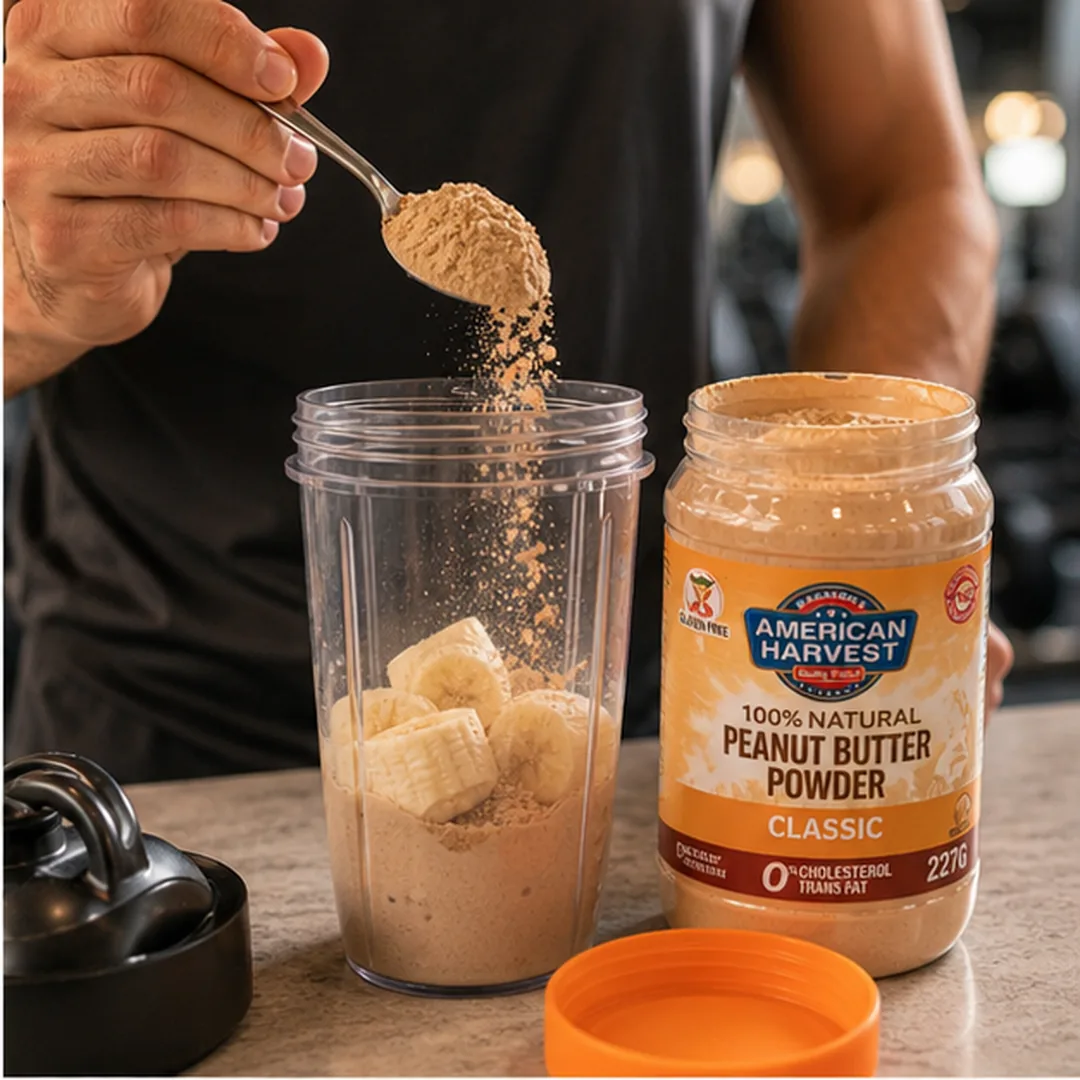
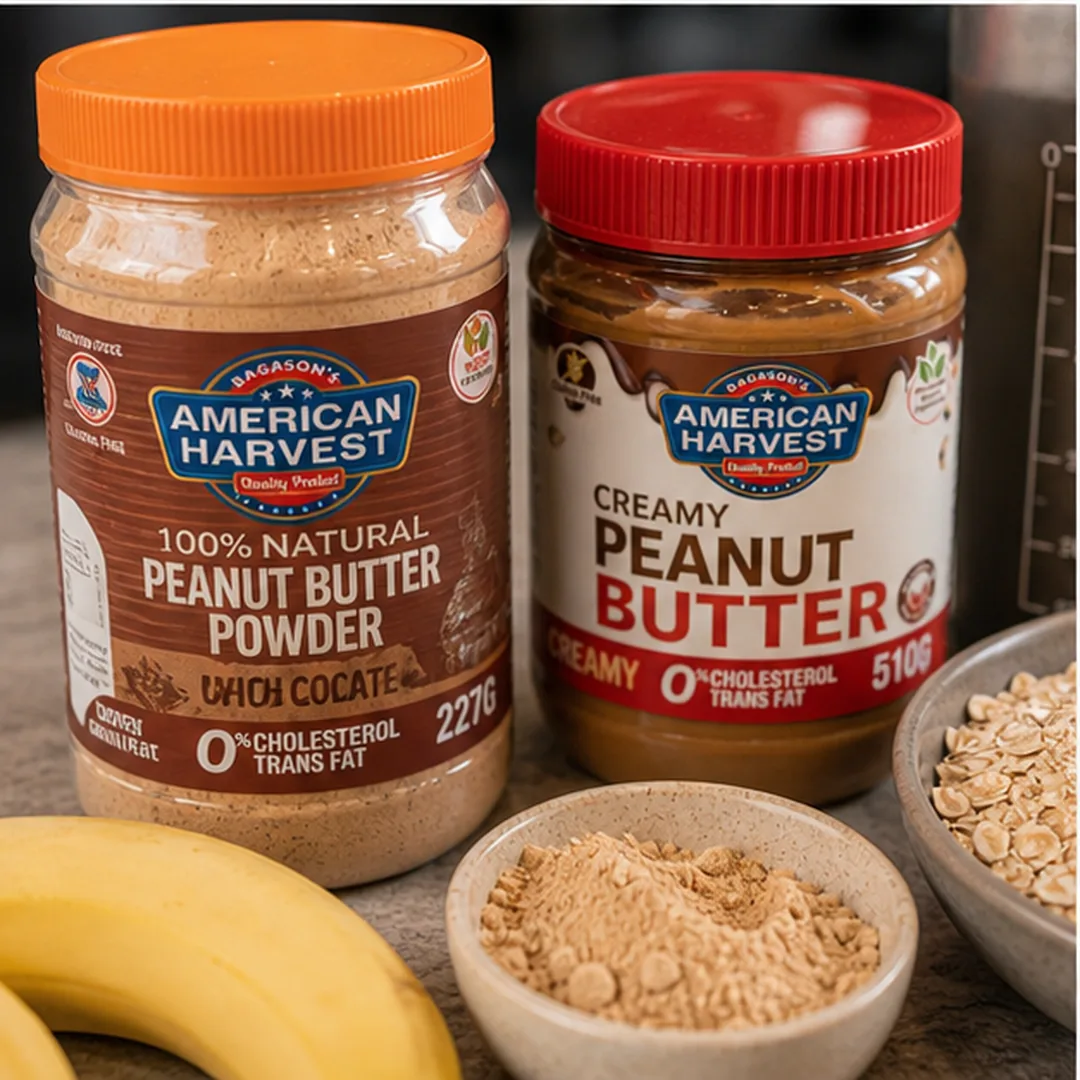
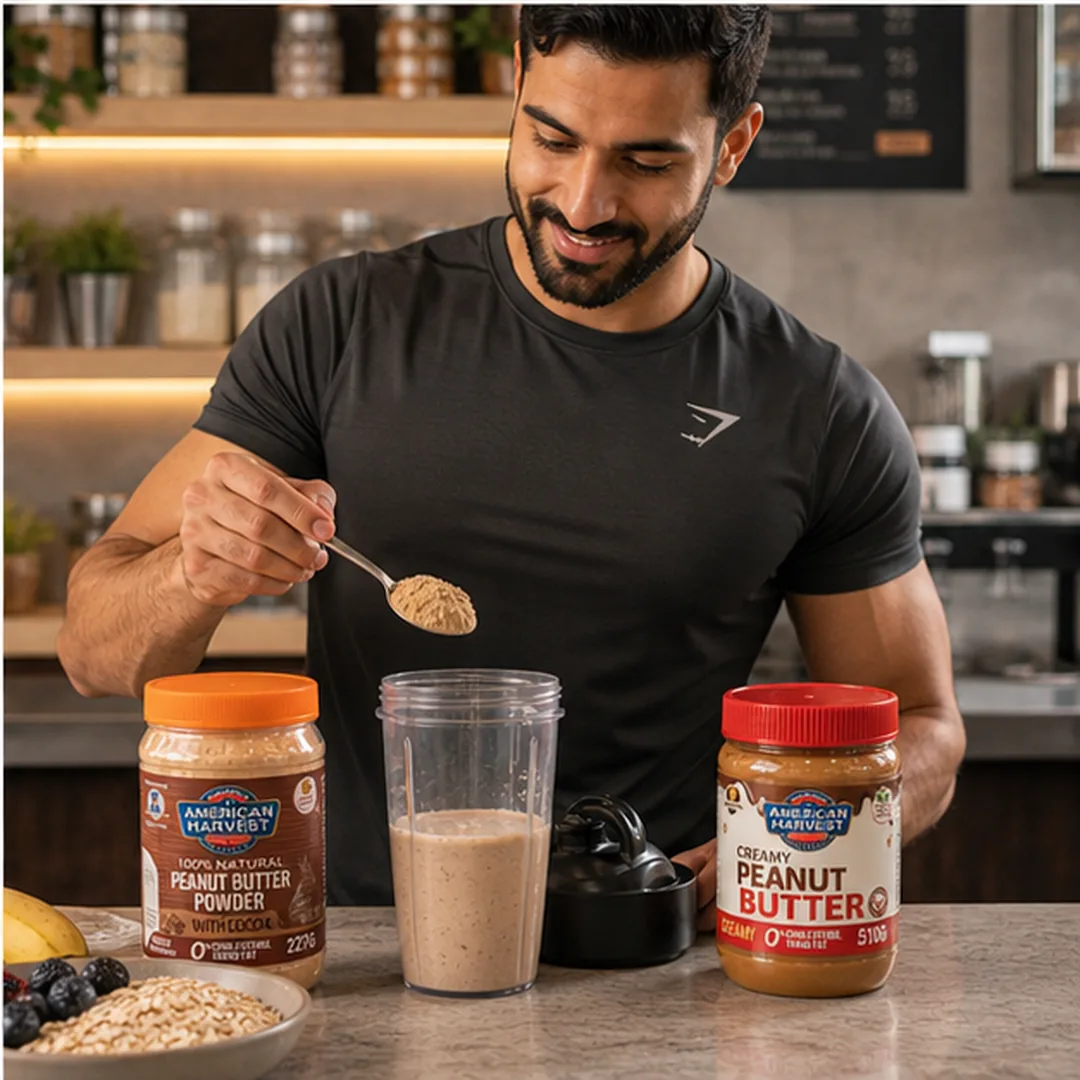
- Everyday pantry staples like peanut butter and oats that quietly support high-protein diets.
Of these, protein bars dubai consumers reach for have arguably done the most to mainstream the category. They sit comfortably between snack and supplement, which makes them an easy first purchase for someone who is curious about sports nutrition but not yet committed to powders.
Protein powders: the value engine
Powders remain the backbone of any serious sports nutrition range. Whey protein continues to dominate because it is well understood, mixes easily and offers strong value per gram of protein. Casein appeals to a smaller but loyal group who use it for slower-digesting protein, while plant-based blends have grown steadily as more shoppers seek dairy-free or vegan options. For a retailer, stocking a tight selection across these three sub-types covers the majority of demand without overwhelming the shelf.
Ready-to-drink shakes: convenience in a bottle
Ready-to-drink protein shakes are among the fastest-moving formats in the Gulf, precisely because they require nothing from the consumer except opening the cap. In a region where many workouts end in an air-conditioned studio far from a kitchen, a chilled shake is the obvious choice. Placing these lines in well-stocked chillers near checkouts and gym partnerships is one of the clearest ways to capture impulse-driven recovery purchases.
Functional snacks: the gateway format
Protein cookies, crisps and nut-based bites occupy a clever middle ground. They feel like a treat but carry a nutrition story, which makes them approachable for shoppers who would never describe themselves as athletes. This category does enormous work in widening the audience and is often where a lifelong sports nutrition customer first enters the funnel.
What Retail Buyers Should Consider
For a retailer or HORECA buyer, the opportunity is clear, but execution decides whether it pays off. Stocking us supplements gcc audiences are searching for is only half the equation; availability, freshness and the right assortment do the rest.
Match the assortment to the customer
A premium supermarket near a cluster of gyms will sell a very different mix from a neighbourhood convenience store. Powders and larger tubs suit destination shopping, while single-serve bars and shakes thrive at the till and in chillers. Reading the local catchment before committing shelf space prevents slow movers from tying up capital. Consider a store positioned beside three busy studios in Dubai Marina: it will likely sell far more ready-to-drink shakes and bars than bulk tubs, simply because of the foot traffic it attracts.
Protect quality in transit and storage
Heat is the enemy of many protein products. Chocolate coatings on bars, the texture of certain powders and the shelf life of ready-to-drink lines all suffer if the cold chain or storage conditions slip. A reliable distributor who understands Gulf logistics is worth far more than a marginally cheaper supplier who cannot guarantee condition on arrival. If you are evaluating options, you can %find a stockist near you% to see where these products are already available in good condition.
Plan for shelf life and rotation
Sports nutrition products are not immune to the realities of dating and rotation. Bars and shakes in particular need disciplined first-in, first-out handling so that nothing edges toward its best-before date unnoticed. As a rule of thumb, buyers should size their initial orders to sell through comfortably within the freshest portion of a product's shelf life, then scale up once genuine demand is proven. Over-ordering a new line on optimism is one of the most common and costly mistakes in this category.
The Snacking Crossover
One of the most interesting shifts is how american protein snacks have blurred the line between the supplement aisle and the snack aisle. Shoppers who would never describe themselves as athletes are buying high-protein cookies, crisps and bars simply because they want a snack that feels a little more purposeful. This crossover dramatically widens the audience for sports nutrition products and is a big reason the category keeps growing beyond the dedicated fitness crowd.
For brands and distributors, this means positioning matters. The same product can be merchandised as performance fuel in one location and as a better-for-you treat in another. Flexibility in how a product is presented often unlocks sales that a single, rigid placement would miss.
This dual identity also protects sales through quieter periods. When gym memberships dip seasonally, the snacking audience keeps a high-protein bar moving simply as a convenient, satisfying option for the afternoon slump. A product that earns its place in two different shopping missions is far more resilient than one tied to a single occasion.
The Influence of Climate and Lifestyle
It is worth pausing on how the Gulf's environment shapes buying behaviour, because it explains a lot about which products succeed. The region's heat and the prevalence of indoor, air-conditioned gyms mean that hydration and convenient, portable nutrition carry extra weight. A shopper finishing a session in a Dubai fitness studio is far more likely to grab a chilled ready-to-drink shake or a bar than to mix a powder on the spot. This single behavioural detail steers a meaningful share of demand toward grab-and-go formats.
Lifestyle patterns reinforce the same point. Long commutes, demanding work schedules and a strong culture of dining out all push people toward nutrition that fits around their day rather than dictating it. American sports nutrition brands, with their deep experience in convenient, single-serve formats, are unusually well placed to meet this need. The result is a market where convenience is not a nice-to-have but a primary purchase driver. You can see how this philosophy of dependable, customer-first sourcing runs through everything when you %learn more about who we are%.
Ramadan and seasonal demand
Seasonality also plays a role that retailers should plan for. During Ramadan, eating and training patterns shift dramatically, with many people exercising in the evening and seeking efficient nutrition around suhoor and iftar. Smart buyers anticipate these rhythms, adjusting stock toward easy-to-consume proteins and recovery products during such periods. Treating the calendar as part of the merchandising strategy, rather than an afterthought, is one of the clearer ways to keep this category performing year-round.
Summer behaviour and the midday slowdown
The Gulf summer reshapes daily routines in ways that ripple through sports nutrition demand. With outdoor activity limited during the hottest months and the UAE's Midday Break Rule keeping many people out of the sun in the early afternoon, exercise shifts indoors and toward cooler hours. Demand for chilled, ready-to-drink formats tends to rise, while heavy outdoor training products see a natural lull. Buyers who flex their assortment toward refreshing, easy-to-consume options through the summer typically hold their sales better than those who keep a static range.
Comparing American Products with Regional and European Alternatives
American sports nutrition does not have the Gulf market to itself. European and increasingly regional brands compete on the same shelves, and understanding the differences helps buyers position each correctly. American lines tend to lead on flavour innovation, bold marketing and a deep catalogue of formats, which suits a market hungry for variety and recognisable names. European products often emphasise clean-label credentials and regulatory pedigree, appealing to a more cautious shopper.
Rather than treating these as rivals, the strongest retailers curate a shelf that lets each play its part. A recognisable American bar or shake captures the aspirational, trend-led shopper, while a clean-label alternative reassures the careful reader of ingredient lists. The point is not to crown a winner but to read the local audience and stock accordingly, keeping American favourites front and centre where demand clearly leans that way.
Education Builds the Category
One factor that quietly underpins all of this growth is consumer education. As people learn more about protein needs, recovery and the role of nutrition in their goals, they become more discerning and more committed buyers. Brands and retailers that help shoppers understand what they are buying, through clear labelling, honest claims and helpful in-store information, tend to build deeper loyalty than those that rely on hype alone.
This educational dimension also protects the category's long-term health. A market built on genuine understanding is far more durable than one built on passing trends. For distributors, supporting retail partners with accurate product knowledge is an investment that pays off in repeat purchases and stronger customer relationships over time.
From first-timers to loyal regulars
It is worth remembering that most committed sports nutrition customers started as curious first-timers. Someone who tries a protein bar after a workout, enjoys it, and finds it reliably on the shelf next time is well on the way to becoming a regular buyer of powders, shakes and snacks alike. The entire category benefits when that first experience is positive, which is why availability and quality at the point of trial matter so much. A single out-of-stock moment early on can quietly cost a retailer a customer who might have spent steadily for years.
This progression from casual interest to habitual purchase is the real engine behind the category's growth in the Gulf. It rewards patience and consistency over short-term tactics, and it favours retailers and distributors willing to build trust methodically. Those who get the fundamentals right, genuine products, dependable supply and honest information, are the ones who will own this expanding market as it matures.
Common Mistakes Retailers Make in Sports Nutrition
For all the opportunity, the category punishes a handful of avoidable errors. Recognising them early saves both money and shelf credibility.
- Over-ordering an unproven line on optimism, then watching it edge toward its best-before date.
- Neglecting the cold chain, so that bars arrive with bloomed chocolate or shakes lose their quality.
- Stocking only powders and ignoring the gateway formats that bring new customers in.
- Choosing the cheapest supplier over the most reliable one, then suffering inconsistent availability.
- Hiding the range in a single dusty corner instead of merchandising it across the relevant shopping missions.
None of these mistakes is dramatic on its own, but together they are the difference between a category that quietly grows and one that disappoints. The fix in almost every case is the same: pair a well-judged assortment with a distribution partner who can keep genuine products moving in good condition.
The Role of a Dependable Distribution Partner
Behind every well-stocked sports nutrition shelf sits the unglamorous work of sourcing, importing, storing and delivering products in the condition customers expect. This is where a specialist distributor earns its keep. Reliable lead times, temperature-aware logistics, genuine brands and honest communication about availability all translate directly into the consistency that keeps shoppers loyal.
For retail buyers, the value of such a partner compounds over time. A distributor who understands Gulf conditions and the specific demands of protein and active-nutrition products removes much of the risk from the category, freeing the retailer to focus on selling rather than firefighting supply problems. That partnership is, in many ways, the quiet foundation on which the visible success of the category rests. To get a sense of the range and the sourcing philosophy behind it, you can %explore the American Harvest Foods homepage% and browse the categories that move fastest in the region.
Understanding the Gulf Sports Nutrition Shopper
Behind the sales figures sits a real person making a real decision, and the better a retailer understands that person, the smarter the assortment becomes. The typical Gulf sports nutrition shopper is not a single profile but a spectrum, and recognising where a customer sits on that spectrum helps tailor both the product mix and the way it is presented.
The committed trainer
At one end is the committed trainer who treats nutrition as part of a serious routine. This shopper buys powders by value, reads ingredient panels carefully and plans purchases in advance. They reward depth of range and reliable availability of their chosen brand, and they are unlikely to switch on a whim once they have settled on what works. For this customer, a retailer who never lets a favourite go out of stock earns durable loyalty and a steady, predictable spend.
The lifestyle shopper
In the middle sits the lifestyle shopper who exercises regularly but casually, and who values convenience above almost everything else. This person grabs a ready-to-drink shake on the way out of the gym or picks up a bar because it feels like a smarter choice than a chocolate biscuit. They respond to placement, packaging and impulse, which makes chiller positioning and clear, appetising merchandising far more influential than technical specifications.
The curious newcomer
At the other end is the curious newcomer who has heard about protein but has never owned a tub of powder. For this shopper, the snacking crossover formats are the natural entry point, and a positive first experience is everything. A retailer who makes that first purchase easy, approachable and reliably repeatable is effectively recruiting the committed trainers of the future, which is why the entry-level formats deserve real attention rather than being treated as an afterthought.
Merchandising Sports Nutrition for Maximum Sell-Through
Even the best products underperform when they are poorly presented, and sports nutrition is especially sensitive to where and how it appears in store. Thoughtful merchandising can lift sell-through dramatically without changing a single item in the range.
The first principle is to meet the shopper where the mission lives. Powders and large tubs belong in a destination aisle where the committed trainer expects to browse and compare. Bars and single-serve snacks belong near checkouts and in high-traffic zones where impulse rules. Ready-to-drink shakes belong in well-maintained chillers, ideally close to the point where a post-workout shopper enters or exits. Splitting a single category across these locations is not duplication; it is matching the product to the moment of decision.
The second principle is clarity. Sports nutrition can intimidate newcomers with jargon, so signage that speaks in plain terms, grouped by goal or by format, lowers the barrier to a first purchase. A simple, well-organised section that helps a shopper find what they need quickly will almost always outsell a cluttered display that assumes prior knowledge. Cleanliness and freshness cues matter too, because a category associated with health and performance loses credibility instantly on a dusty or disorganised shelf.
Cross-merchandising opportunities
There is real value in placing sports nutrition products alongside complementary purchases. A protein bar near the gym-bag essentials, a shake in the grab-and-go chiller beside healthy lunches, or peanut butter and oats positioned to support a high-protein breakfast all capture sales that a siloed approach would miss. Thinking about the shopper's whole basket rather than a single aisle is one of the most underused levers in the category.
The Wider Active-Lifestyle Ecosystem
American protein and sports nutrition do not exist in isolation; they sit within a broader active-lifestyle ecosystem that the Gulf has embraced enthusiastically. Running clubs, cycling groups, boutique studios, corporate wellness programmes and a general cultural shift toward health all feed the same demand. As this ecosystem grows, so does the addressable audience for nutrition products, and the two reinforce each other in a virtuous cycle.
This matters for retailers and distributors because it signals durability. A category propped up by a single fad is fragile, but one woven into a genuine and expanding lifestyle movement has staying power. The Gulf's investment in sport, public fitness infrastructure and wellness messaging suggests that the foundations under sports nutrition demand are structural rather than temporary, which makes it a category worth building for the long term rather than chasing for a quick season.
Flavour, Format and the Importance of Trial
One detail that newcomers to this category often underestimate is just how much flavour drives repeat purchase. A shopper might buy a protein product the first time for its nutrition story, but they only buy it again if they genuinely enjoy it. American brands have long understood this, investing heavily in flavour development so that bars, shakes and powders taste like a treat rather than a chore. This focus on enjoyment is a quiet competitive advantage and a major reason the snacking crossover has worked so well.
For retailers, the practical lesson is to make trial easy and low-risk. A shopper who can pick up a single bar or a single-serve shake to test a flavour is far more likely to commit to a larger purchase later. Stocking individual units alongside multipacks and tubs, rather than forcing a big first commitment, lowers the barrier to entry and feeds the funnel that turns curious first-timers into loyal regulars. Variety within a brand matters too, because a shopper who likes one flavour will often work through the range, and a retailer who carries that breadth captures the full value of that loyalty.
Avoiding flavour fatigue
It is also worth keeping an eye on flavour fatigue. Even loyal customers appreciate the occasional new option or seasonal variant to keep the category feeling fresh. A modest rotation of new flavours, introduced thoughtfully alongside the dependable bestsellers, gives regular shoppers a reason to keep paying attention without disrupting the core range they rely on. The balance between dependable favourites and occasional novelty is one of the more delicate but rewarding aspects of managing the shelf.
Quality Assurance and Shopper Confidence
Because sports nutrition products are consumed for health and performance reasons, shopper confidence in their quality is paramount. A customer choosing a protein product is making an implicit bet that the item is genuine, safe and exactly what its label claims. American brands have built much of their global reputation on precisely this kind of trust, and protecting it through the supply chain is essential.
For retailers and distributors, that means handling genuine products through legitimate channels, storing them correctly and ensuring that what reaches the shelf is in the condition the brand intended. Any shortcut that compromises authenticity or quality risks not just a single sale but the shopper's confidence in the entire category. The most successful operators treat quality assurance as a core responsibility rather than a box-ticking exercise, recognising that in a health-focused category, trust is the asset that everything else depends on.
The cost of getting it wrong
Consider the long-term impact of a single bad experience. A shopper who buys a heat-damaged bar or a product that has clearly been poorly stored will not only abandon that item but will likely view the whole section, and the retailer, with suspicion. In a category where word of mouth and social sharing travel fast, the reputational cost of cutting corners far outweighs any short-term saving. Conversely, a retailer known for genuine products in pristine condition earns a reputation that quietly drives sustained, profitable demand.
Pricing, Value and the Premium Question
Sports nutrition occupies an interesting place on the value spectrum. Many shoppers are willing to pay a premium for recognised American brands they trust, yet they are also increasingly conscious of value per serving, especially on powders where the comparison is straightforward. The most successful retailers navigate this by carrying a considered range of price points rather than betting everything on either the cheapest or the most premium option.
A practical approach is to anchor the range with a trusted, mid-priced bestseller that most shoppers feel comfortable buying, then offer a premium tier for the committed customer and an accessible entry point for the newcomer. This lets the shopper self-select according to their commitment and budget without feeling that the retailer has either skimped on quality or priced them out. Crucially, value in this category is never just about the lowest number on the shelf; it is about delivering genuine products, reliably, at a price that feels fair for the trust and quality involved. Shoppers who feel they are getting honest value return far more readily than those chasing a one-off discount.
Looking Ahead
The trajectory for American protein and sports nutrition in the Gulf points firmly upward. As awareness deepens and the active-lifestyle culture spreads from the major cities into smaller communities, demand will broaden rather than plateau. Expect continued growth in convenient formats, steady expansion of the snacking crossover, and a maturing shopper who reads labels carefully and rewards brands that deliver on their promises.
Retailers who build credible, consistently stocked ranges now will be the ones consumers trust later. The window to establish that trust is open while the category is still expanding and shopper habits are still forming. If you are planning your assortment or sourcing strategy, %get in touch with our team% to discuss which American protein and nutrition lines make the most sense for your customers, and how to keep them reliably on your shelves as this market continues to grow.
Frequently Asked Questions
Why is American sports nutrition so popular in the UAE?
The UAE has a young, active and digitally connected population that follows international fitness trends closely. American brands carry strong reputations for quality and transparent labelling, so shoppers actively look for them once they discover them online or in the gym. The alignment between how Gulf consumers train and how American products are formatted reinforces that appeal. As a result, recognisable American names often enjoy a head start in the shopper's mind before they even reach the shelf.
Which products sell best in this category?
Protein bars and ready-to-drink shakes tend to lead because they are portable and easy to try. Protein powders follow for committed customers who want value per serving, while high-protein snacks attract a broader audience who simply want a more purposeful treat. A tight selection across whey, casein and plant-based powders covers most demand. Pairing those with grab-and-go formats captures both the destination shopper and the impulse buyer.
How do you keep protein products in good condition in a hot climate?
Temperature control during transit and storage is essential, because heat damages coatings, textures and shelf life. Working with a distributor that understands Gulf logistics and maintains proper storage protects product quality from arrival to shelf. Disciplined stock rotation on a first-in, first-out basis keeps everything fresh. Chilled display for ready-to-drink lines further safeguards both quality and sales.
Can supermarkets sell sports nutrition outside of fitness customers?
Absolutely. Many high-protein bars, cookies and crisps are bought as everyday snacks rather than supplements. Merchandising the same product as a better-for-you treat often reaches a far wider audience than placing it only in a dedicated nutrition section. This crossover also smooths sales through seasonal dips in gym activity. A product that works for two shopping missions is far more resilient on the shelf.
What is the difference between American and European sports nutrition products?
American lines typically lead on flavour innovation, bold marketing and a deep range of formats, suiting a market that craves variety and recognisable names. European products often emphasise clean-label credentials and regulatory pedigree, appealing to a more cautious shopper. Neither is universally better; the right mix depends on the local audience. Strong retailers curate both, keeping American favourites prominent where demand clearly leans that way.
How much stock should a retailer order when trying a new line?
A sensible approach is to size the first order so it sells through comfortably within the freshest part of the product's shelf life, then scale up once real demand is proven. Over-ordering a new line on optimism is one of the most common and costly mistakes in this category. Starting modest protects working capital and avoids dating issues. Once a line shows consistent movement, larger orders become much lower risk.
Does Ramadan change sports nutrition buying patterns?
Yes, significantly. Eating and training shift toward the evening, with many people seeking efficient nutrition around suhoor and iftar. Demand tends to move toward easy-to-consume proteins and recovery products during this period. Buyers who adjust their assortment to these rhythms usually maintain stronger sales. Treating the calendar as part of the merchandising plan keeps the category performing year-round.
Are plant-based protein products in demand in the Gulf?
Plant-based blends have grown steadily as more shoppers seek dairy-free or vegan options, and they now form a meaningful part of a complete range. While whey still dominates on value and familiarity, a single well-chosen plant-based option broadens the shelf's appeal. The audience for these products skews toward label-conscious, lifestyle-driven shoppers. Including one keeps the range relevant without overcomplicating it.
How can I find American protein products near me in the UAE?
The most reliable route is to buy from retailers that maintain steady supply of genuine American brands rather than occasional lookalikes. Checking which stockists carry these lines, and whether they keep them in good condition, makes all the difference. A dependable distributor behind the shelf is what keeps availability consistent. Reaching out to a specialist supplier is the simplest way to confirm where these products are stocked.
What makes a good distribution partner for this category?
Reliable lead times, temperature-aware logistics, genuinely authentic brands and honest communication about availability are the essentials. A partner who understands Gulf conditions removes much of the risk from sports nutrition, letting the retailer focus on selling. Consistency in supply directly translates into shopper loyalty over time. That quiet reliability is the foundation on which the visible success of the category rests.