Adding a touch of acidity to a dish can transform the overall flavor profile, balancing rich fats and enhancing the natural taste of fresh ingredients. Understanding how to use vinegar in cooking allows any home chef to move beyond basic recipes and start experimenting with custom flavors.
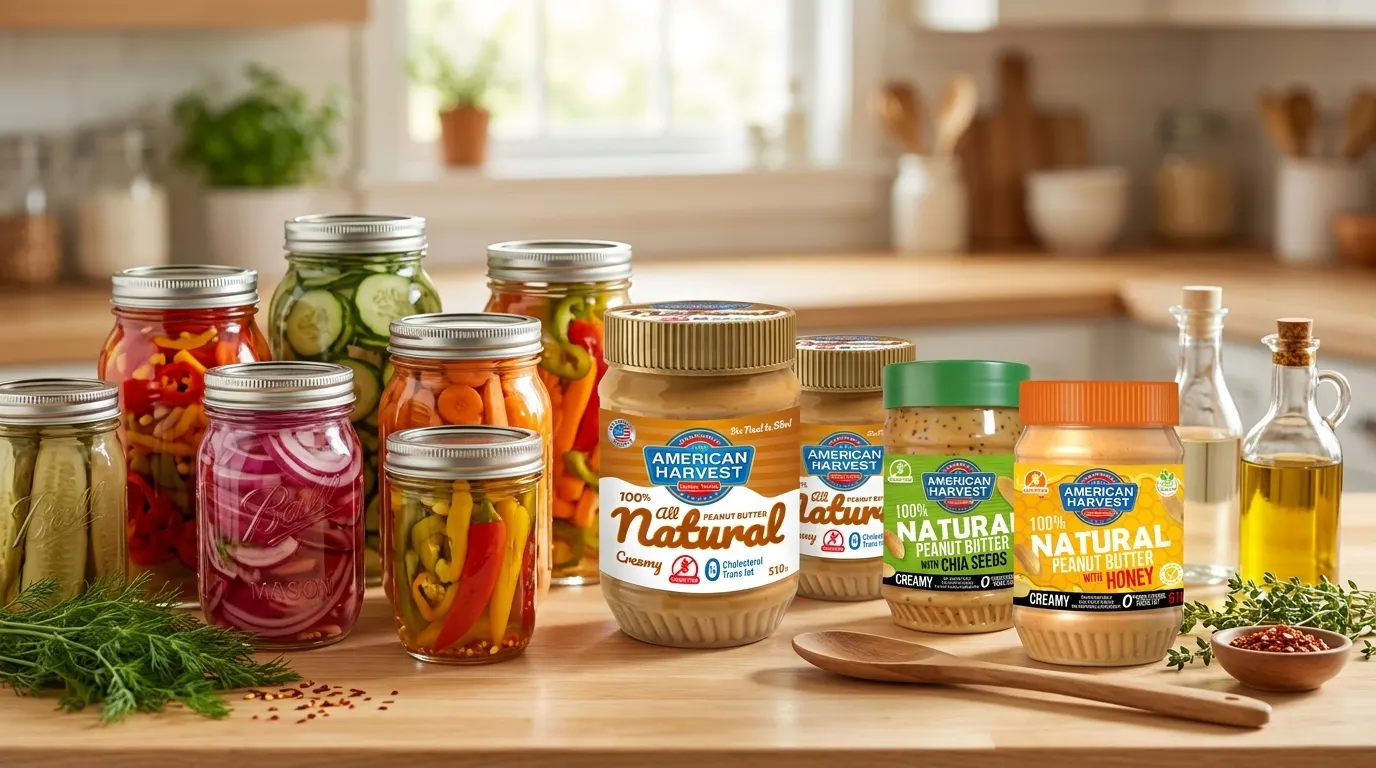
One of the most accessible ways to incorporate this pantry staple is through quick pickles. Unlike traditional fermentation, quick pickling involves submerging sliced vegetables in a mixture of vinegar, water, salt, and sugar. This method is ideal for cucumbers, red onions, or carrots, providing a crisp texture and a tangy bite that complements heavy proteins or sandwiches.
Elevating Your Salad Dressings
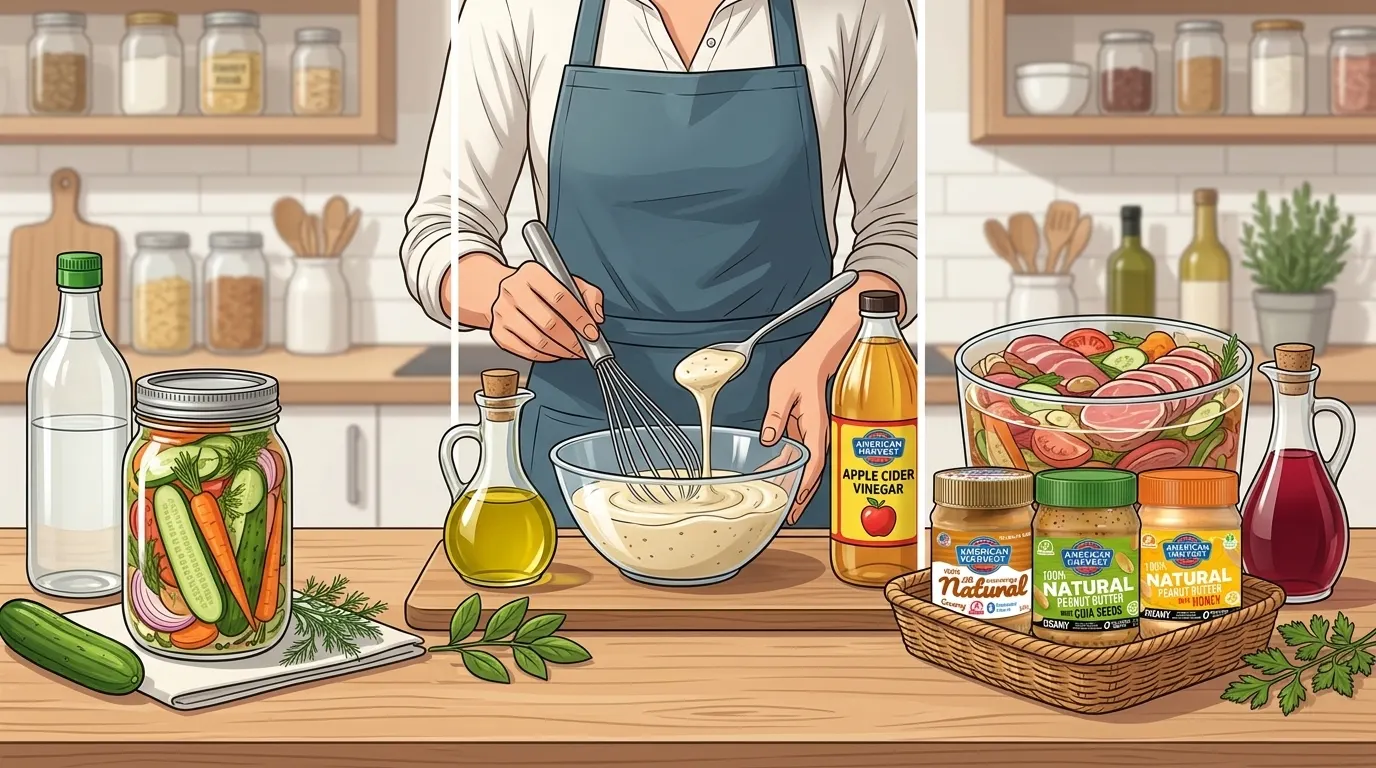
Creating your own salad dressing ideas at home is often more satisfying than using store-bought options. The key is the ratio between the acid and the oil. A classic vinaigrette typically uses a three-to-one ratio of oil to vinegar. By whisking in a bit of mustard or honey, you can create an emulsion that clings better to leafy greens.
For those who enjoy a creamier texture, American Harvest pantry staples can be integrated into these mixtures. For instance, blending a small amount of peanut butter with vinegar, soy sauce, and a touch of sweetness creates a savory dressing perfect for slaw or cold noodle salads.
The Art of the Marinade
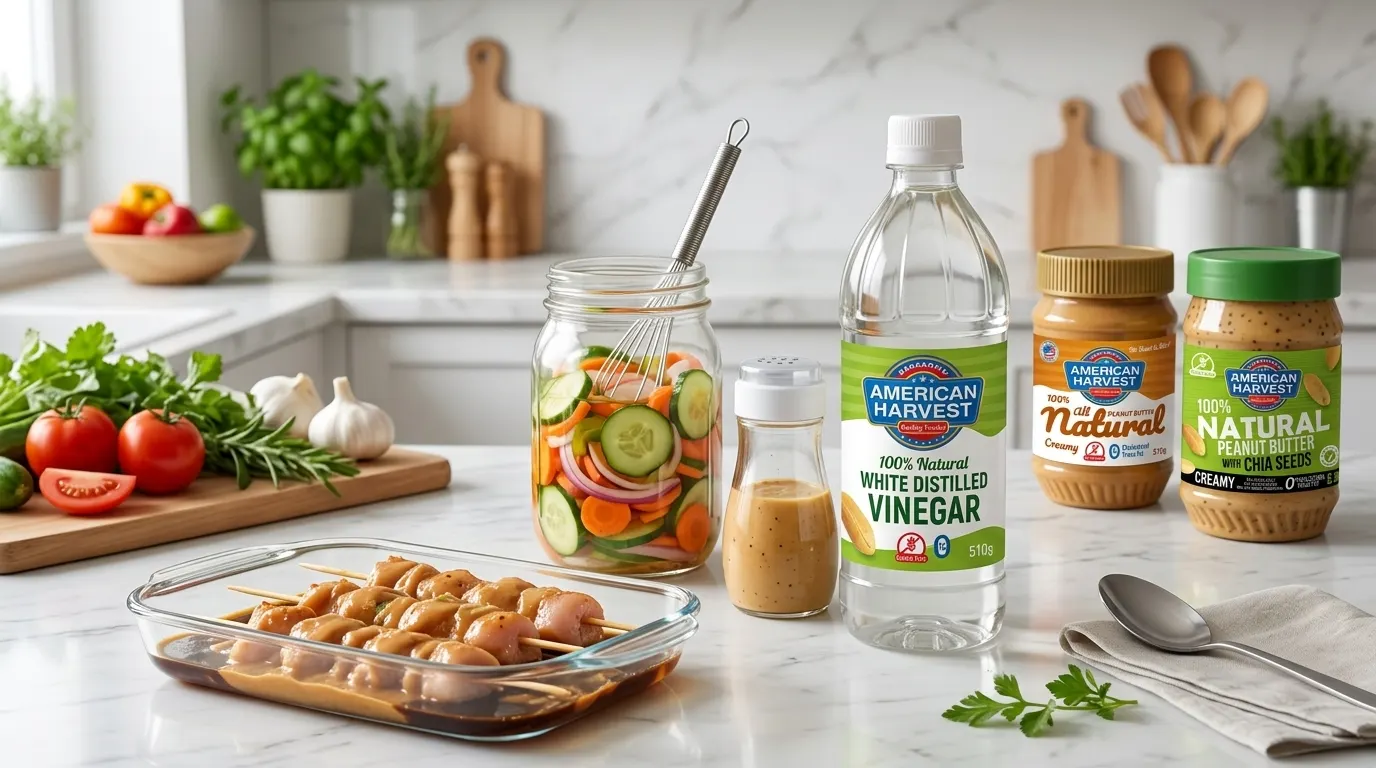
Marinades serve two purposes: adding flavor and breaking down tough fibers in meats. The acidity in American Harvest vinegar helps tenderize proteins, allowing other seasonings to penetrate deeper into the food. Whether you are preparing poultry, seafood, or tofu, a balanced marinade ensures the final result is juicy and flavorful.
When marinating, it is important to monitor the time. Leaving protein in a highly acidic mixture for too long can change the texture of the meat, so a few hours is usually sufficient for most cuts.
Simple Tips for Balance
If a soup or stew tastes flat, a teaspoon of vinegar added at the very end can brighten the entire pot. This technique mimics the effect of salt by waking up the other flavors without making the dish taste sour.
Frequently Asked Questions
What is the difference between quick pickling and canning?
Quick pickling is a refrigeration method where vegetables are soaked in a vinegar brine for immediate use, whereas canning involves heat processing for long-term shelf stability.