The smell of something grilling over charcoal is a near-universal pleasure, and in the UAE the home barbecue has become a treasured social ritual. As that culture has grown, so too has the appetite for authentic flavour, and demand for american bbq sauce in the UAE has climbed steadily. Alongside barbecue sauces, a broader wave of American condiments, from tangy mustards to fiery hot sauces, is reshaping how people cook and entertain at home across the country and the wider GCC.
These products do more than add flavour; they bring a sense of occasion. A bottle of genuine American barbecue sauce or a bold hot sauce can turn an ordinary meal into something memorable, and that transformative quality is exactly why these condiments have caught on so strongly with home cooks and food lovers alike. For a population that loves to host, the right sauce is part of the entertainment itself.
This guide takes a thorough look at the category: why it is growing, the regional styles of American barbecue sauce that every cook should recognise, the wider world of US condiments beyond barbecue, how to read a label and source the genuine article, and what the trend means for both home cooks and retail buyers across the UAE and GCC. By the end you should be able to walk a shelf, or build a pantry, with real confidence.
Why American Sauces Are Winning Over UAE Cooks
Several threads come together to explain this rise. The UAE's outdoor lifestyle and pleasant winter months make grilling and entertaining hugely popular, and barbecue sauce is the natural companion to that. From late autumn through to early spring, gardens, rooftops, beaches and desert camps fill with the sound and smell of grilling, and that long, comfortable season gives the category a genuine annual rhythm rather than a one-off novelty.
At the same time, a globally minded population that follows international food trends online is eager to recreate the flavours they see celebrated abroad. Streaming shows, social media and travel all expose UAE residents to the smokehouse traditions of the American South and the diner classics of the Midwest, and curiosity quickly turns into a shopping list. When a viewer sees a rack of ribs glazed in a glossy Kansas City sauce, the natural next step is to find that bottle locally.
There is also a strong do-it-yourself spirit in modern home cooking. People want restaurant-quality results in their own kitchens, and a well-chosen sauce is one of the easiest ways to achieve that. Rather than spending hours building complex flavour, a single authentic condiment delivers depth instantly, which is why so many cooks now %explore the sauces and condiments we import% to stock their pantries with the real thing.
The Role of Casual American Dining
The growth of casual American-style dining in the region has reinforced this appetite. As burger joints, smokehouses and diner-inspired restaurants have become more common, diners have developed a taste for the specific sauces that define those experiences. A smoky barbecue glaze on pulled meat or a particular brand of hot sauce on a fried chicken sandwich becomes a flavour memory people want to repeat at home.
Many then want to recreate those flavours at home, completing a virtuous circle in which eating out fuels demand for the same authentic condiments on supermarket shelves. This is one reason the category has proved durable rather than faddish: it is anchored to real dishes that people already love, not to a passing trend.
A Short History of American Barbecue Sauce
To understand why American barbecue sauce comes in so many forms, it helps to know where it came from. Barbecue in the United States grew up regionally, shaped by the ingredients, fuels and immigrant traditions of each area. Long before there were national brands on supermarket shelves, families and pit masters guarded their own recipes, and those local identities still define the bottles you buy today.
In the tomato-and-molasses belt of the Midwest, sauces grew thick, sweet and richly smoky. Along the Carolinas, vinegar and pepper dominated, with one famous local twist built around mustard. In Texas, where beef and the smoke ring reign, sauce is often thinner and more savoury, treated as a complement to the meat rather than a disguise for it. Each style reflects the meats and methods of its home region.
For the UAE shopper, this history is genuinely useful. It explains why two bottles both labelled barbecue sauce can taste so different, and it turns choosing a sauce into an informed decision rather than a guess. Knowing the regional roots lets you match a sauce to a dish with the same confidence a pit master would.
The Key Styles of American Barbecue Sauce
American barbecue sauce is not a single product but a family of regional styles, each with its own character. Understanding the differences helps you choose the right one for the dish you have in mind, and it makes building a small, versatile collection much easier.
Sweet and Smoky Styles
The most widely loved barbecue sauces are thick, sweet and smoky, balancing tomato, molasses or brown sugar with a gentle smokiness. These Kansas City-style sauces are crowd-pleasers, ideal for ribs, chicken and burgers, and they are usually the best starting point for anyone new to American barbecue. Their sweetness caramelises beautifully on the grill, giving meat that glossy, sticky finish people associate with classic American cookouts.
Because they are so forgiving, sweet and smoky sauces are also the most family-friendly choice. Children tend to love them, they work as both a glaze and a dip, and they pair happily with almost anything off the grill. If you only ever keep one barbecue sauce in the cupboard, this is the style to choose.
Tangy and Vinegar-Based Styles
Some regional sauces lean on vinegar and a sharper, tangier profile, with less sweetness. These Carolina-style sauces cut beautifully through rich, fatty meats and appeal to cooks who prefer a brighter, more acidic finish. Thinner and looser than the sweet styles, they are excellent for pulled pork and for tossing through shredded meat rather than painting on as a thick glaze.
Vinegar-forward sauces reward a little experimentation. Used as a finishing splash or stirred into a slaw, they bring a lively acidity that balances a heavy plate, and they often win over guests who say they do not usually like barbecue sauce because they find the sweet styles too cloying.
Spicy and Mustard-Based Styles
Other styles bring heat or a distinctive mustard base, offering bolder, more complex flavours. The mustard-based sauces of South Carolina, sometimes called Carolina Gold, are tangy, golden and savoury, while spicier blends add chilli warmth to the mix. These suit adventurous palates and pair well with pork and grilled vegetables, adding character that goes well beyond a simple glaze.
For the cook who already keeps a sweet and a tangy sauce on hand, a mustard-based or spicy bottle is the natural third addition. It opens up new pairings and gives a familiar grill night a fresh twist without any extra effort.
Beyond Barbecue: The Wider World of Condiments
The condiment story does not end with barbecue sauce. American kitchens are famous for a deep pantry of sauces, and UAE cooks are embracing the full range. Hot sauce in particular has developed a passionate following, with enthusiasts seeking out everything from mild, flavourful varieties to intensely fiery bottles measured in serious heat. The hot sauce shelf has become a destination in its own right for many shoppers.
Classic mustards, relishes, ranch-style dressings and steak sauces are also finding their way onto local tables. American yellow mustard, smooth and mild, behaves very differently from a sharp European mustard, while ranch dressing has become a beloved dip far beyond its salad-bar origins. Steak sauces and dedicated burger sauces round out a pantry that can handle almost any casual American meal.
The breadth on offer means there is genuinely something for every taste:
- Sweet and smoky barbecue sauces for ribs, chicken and burgers
- Tangy, vinegar-forward sauces to balance rich meats and pulled pork
- Hot sauces ranging from gently warming to seriously fiery
- Classic mustards, relishes, ranch dressings and steak sauces for everyday meals
Part of the appeal of this depth is that it lets a household cover many occasions from a single, well-chosen set of bottles. The same fridge door can serve a casual weeknight dinner, a weekend grill and a party spread.
Sourcing Genuine American Sauces and Condiments
As with any popular imported category, authenticity is key. The flavour of a genuine American sauce comes from its specific recipe, and lookalike products rarely capture it. Shoppers who care about taste increasingly insist on real US brands, properly imported and labelled for the local market. This is where organised distribution makes all the difference, ensuring products arrive fresh, in good condition and in steady supply.
Authenticity also matters for trust. A correctly imported bottle carries proper labelling, accurate ingredient information and clear date coding, so you know exactly what you are buying and how long it will keep. The way a product reaches the shelf says a great deal about its quality, which is why it is worth taking a moment to %learn more about how we source authentic American food% before settling on a brand you will return to.
The UAE's hot climate adds another reason to care about the supply chain. Sauces that have spent time in uncontrolled heat can change in colour, separate or lose the freshness that makes them worth buying, even when the recipe itself is genuine. A product brought in through a proper channel is handled with these conditions in mind, from transport to storage, so the bottle you open performs the way the maker intended. That quiet reliability is exactly what turns a one-off purchase into a long-term staple.
If you are hunting for a particular barbecue sauce in Dubai or a specific hot sauce, the easiest route is to %find a stockist near your kitchen% rather than relying on inconsistent sources. A reliable stockist means you can return for your favourites again and again, building a pantry of trusted staples instead of starting from scratch every time a bottle runs out.
How to Read an American Sauce Label
A few minutes spent reading the label pays off. Check the ingredient list to confirm the sauce matches the style you want: tomato and molasses near the top points to a sweet, thick sauce, while vinegar high on the list signals a tangier profile. The order of ingredients tells you, at a glance, what the bottle is really built around.
It is also worth scanning for sugar and sodium if those matter to you, and noting the heat level on hot sauces, which is sometimes indicated on the front of the pack. Finally, confirm the product is correctly labelled for the local market, a reliable sign that it has come through a proper import channel rather than an unofficial one.
Cooking With American Sauces at Home
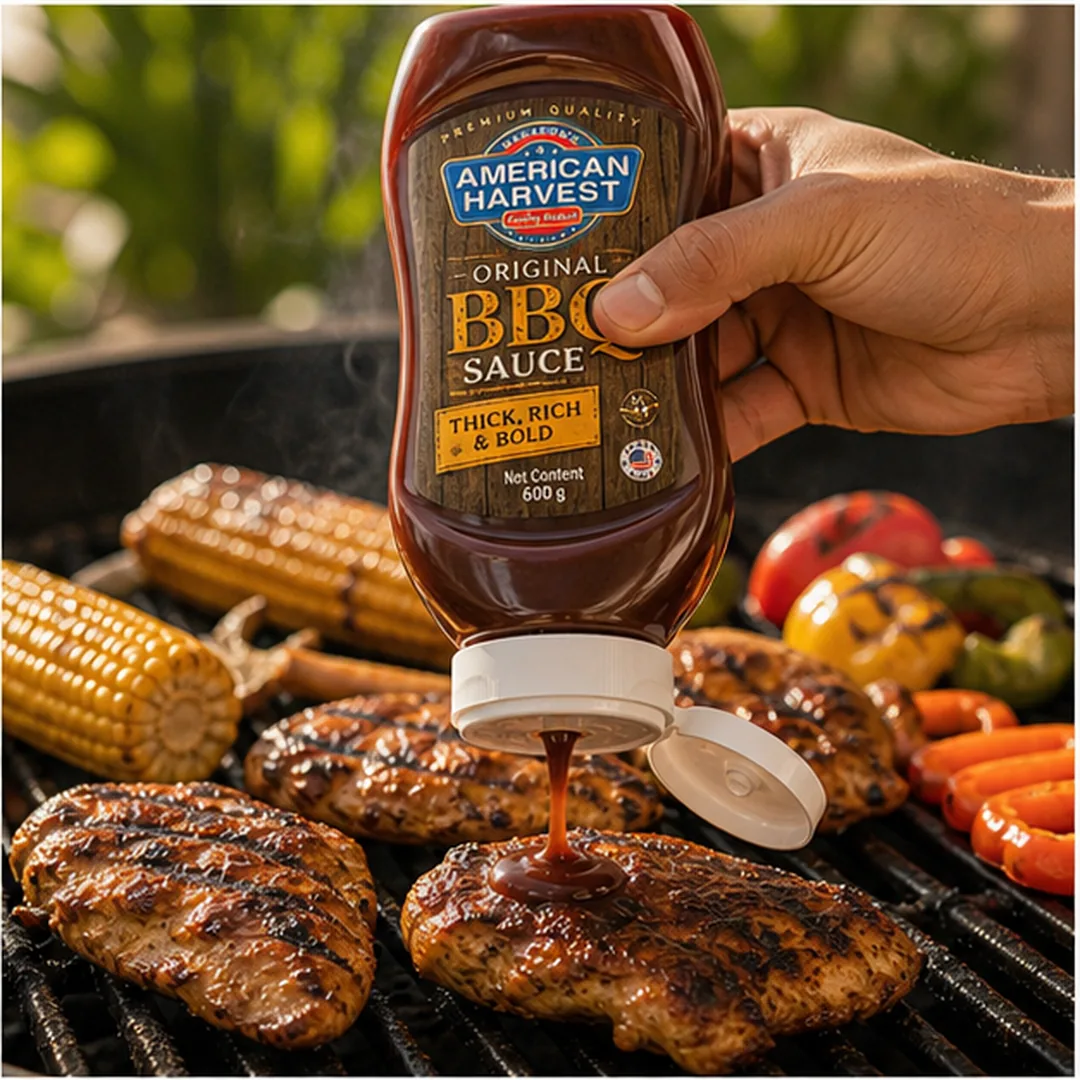
Part of what makes these condiments so rewarding is how versatile they are in everyday cooking. Barbecue sauce is far more than a finishing glaze: it can be brushed onto meat during the final minutes of grilling for a caramelised crust, stirred into a marinade, or used as a dipping sauce alongside fries and grilled vegetables. A good sauce earns its place in the kitchen by working hard across many dishes.
A useful rule of thumb is to apply sweet barbecue sauces late, only in the last few minutes over the heat, because their sugar burns quickly. Tangy vinegar sauces, by contrast, can go on earlier or be used to baste throughout, since they have far less sugar to scorch. Understanding this one principle prevents the most common grilling disappointment, a sauce that blackens before the meat is done.
Hot sauces and mustards are equally flexible. A few drops of hot sauce can lift eggs, sandwiches and rice dishes, while a quality mustard adds depth to dressings, glazes and dips. The trick is to start with a light hand and build up, since these sauces are designed to deliver concentrated flavour. Experimenting with small amounts lets home cooks discover exactly how each bottle suits their own taste and the dishes they make most often.
Pairing Sauces With Local Tastes
One of the pleasures of the UAE's diverse food culture is how easily American sauces blend with the cuisines already on the table. A smoky barbecue glaze works beautifully on grilled meats and kebabs, while a bright, tangy sauce can complement the spices common in regional dishes. Hot sauce enthusiasts often enjoy comparing American varieties with the chilli flavours found elsewhere, building a personal collection that spans several traditions.
Imagine a weekend gathering where a single grill produces both spiced regional kebabs and American-style glazed chicken wings, with a row of sauces on the side so guests can mix and match. That kind of relaxed, build-your-own spread suits UAE entertaining perfectly, and American condiments slot into it without displacing anything already loved.
This cross-cultural experimentation is part of why the category keeps growing. Rather than replacing existing favourites, American condiments add new options to an already rich repertoire, giving home cooks more ways to surprise and delight guests. For a population that loves to entertain, that versatility is a powerful draw and helps explain why these sauces are becoming permanent fixtures in UAE kitchens.
Regional Deep Dive: Matching Sauce to Region and Dish
It is one thing to know that styles exist and another to use them well, so it is worth going a little deeper into how each regional family behaves on the plate. Think of the four broad traditions, sweet Kansas City, vinegar Carolina, mustard South Carolina and savoury Texas, as a small toolkit, each suited to particular meats and moments. Once you can place a bottle into one of those groups from the ingredient list alone, choosing the right sauce becomes second nature.
Sweet, molasses-rich sauces are the glaze specialists. They shine on anything you want to lacquer and caramelise, such as ribs, wings, drumsticks and burgers, and they double happily as a dip for fries or onion rings. Because they carry so much sugar, they belong at the end of cooking, brushed on as the meat comes off the heat, where they form a glossy, slightly sticky crust without scorching.
Vinegar-forward sauces are the balancers. Their job is to cut through fat and reset the palate, which is why they are the traditional partner for pulled pork and for richer cuts. Used as a finishing splash, stirred through shredded meat, or even tossed into a coleslaw, they bring brightness that a sweet sauce cannot. Mustard-based sauces sit between the two, savoury and tangy at once, and they are superb with pork and grilled vegetables. Texas-style savoury sauces, thinner and beefier, are designed to support smoked beef rather than smother it, so a light hand keeps the meat in the lead.
Building a Three-Bottle Starter Set
For most households, three carefully chosen bottles cover almost every occasion. A thick, sweet and smoky sauce handles the everyday grilling of chicken, ribs and burgers. A tangy, vinegar-based sauce takes care of pulled pork and adds the brightness that heavy plates need. A hot sauce, kept separate, lets each person dial up the heat to taste without affecting the shared dish.
From that simple foundation it is easy to branch out. A mustard-based bottle is the natural fourth purchase, opening up new pairings, and a savoury Texas-style sauce is a worthwhile fifth once you start cooking more beef. Building the collection gradually, rather than all at once, lets you learn what your household actually reaches for and avoids a cupboard full of half-used bottles.
Common Mistakes With Barbecue Sauce and How to Avoid Them
Even enthusiastic cooks make a handful of recurring errors, and most are easy to fix once you know them. The first is applying a sweet sauce too early. Because of its sugar, a thick barbecue sauce will blacken and turn bitter if it spends too long over direct heat, so it should go on only in the final few minutes. The fix is simple: cook the meat first, then glaze near the end.
The second mistake is using a single sauce for everything. A sweet glaze on pulled pork can be cloying, just as a sharp vinegar sauce on a delicate piece of chicken can overwhelm it. Matching the sauce family to the dish, as described above, makes a far bigger difference than the brand alone. A third common error is pouring sauce on with a heavy hand from the start, when building up in layers gives better control and a cleaner flavour.
A fourth pitfall is ignoring storage, leaving an opened bottle in a warm cupboard where its flavour fades. Finally, many shoppers buy on the label alone without checking the ingredient order, then wonder why a bottle does not taste as expected. A quick look at the back of the pack, as covered earlier, prevents most of those surprises and ensures the sauce in your basket really is the style you wanted.
The Wider Grilling Pantry and Cross-Selling Opportunities
Barbecue sauces and condiments rarely travel alone. A complete grilling occasion draws on a wider American pantry, and recognising those natural companions helps both home cooks plan a spread and retailers build a more compelling shelf. Dry rubs and seasoning blends, for instance, work hand in hand with sauces, providing the savoury base layer that a glaze then finishes.
Around the grill itself sit the snacks and sides that complete the table: tortilla chips and dips for guests to graze on, American-style crackers, sweet treats for afterwards and soft drinks to wash it all down. For a household, keeping a few of these on hand turns an impromptu grill into a proper gathering with very little extra effort. For a retailer, grouping sauces alongside these related lines encourages larger baskets and positions the store as a one-stop destination for the whole occasion.
There is real value in thinking of the category as an experience rather than a single product. Shoppers who come in for a favourite barbecue sauce are often happy to pick up the seasonings, snacks and drinks that go with it, especially when those products are genuine American brands they recognise and trust. That connected approach is one of the quiet strengths of a well-curated authentic range.
Storage, Shelf Life and Getting the Best From Your Sauces
Buying genuine sauces is only half the story; storing them well keeps them at their best. Most barbecue and hot sauces are shelf-stable until opened, after which the label will usually advise refrigeration. Keeping opened bottles in the fridge preserves both flavour and colour, and it is the simplest way to make sure the sauce you loved on day one tastes the same weeks later.
Check date codes when you buy and rotate your pantry so older bottles are used first. Because the UAE climate is hot for much of the year, a cool, dark cupboard, or the fridge once opened, is far better than a warm shelf in direct sun. A little care here protects both the flavour you paid for and the value of stocking up on favourites.
Hot Sauce: The Fastest-Growing Corner of the Condiment Shelf
If barbecue sauce is the heart of the grilling table, hot sauce has become the most dynamic part of the wider condiment shelf, and it deserves a closer look on its own terms. American hot sauces span an enormous range, from gentle, vinegar-led bottles that add brightness and a whisper of warmth to seriously intense products built around the hottest chillies. What unites the best of them is that they are about flavour first, with heat as a dimension rather than the whole point.
For newcomers, the most useful idea is that not all heat is the same. A vinegary, tangy hot sauce behaves very differently from a thick, smoky chipotle-style sauce or a fruity, fiery blend. The first lifts eggs, sandwiches and rice with a bright tang; the second adds depth to grilled meats and stews; the third brings both fruit and fire to wings and tacos. Reading the front of the pack for the chilli used and any heat indication is a quick way to predict where a bottle will sit.
Hot sauce also rewards collecting in a way few condiments do. Many enthusiasts keep a small row of bottles, reaching for a mild one at breakfast and a fierce one when they want a challenge. For UAE shoppers who already enjoy the chilli traditions popular across the region, American hot sauces add a complementary set of flavours rather than competing with them, which is a large part of why the category keeps expanding.
Using Hot Sauce Without Overpowering a Dish
The key to cooking with hot sauce is restraint, especially with the stronger bottles. A few drops at a time, tasted as you go, lets you find the level that suits the dish and the people eating it. Adding hot sauce towards the end of cooking, or at the table, keeps its character bright, whereas long cooking can dull a vinegary sauce and concentrate a fiery one in unpredictable ways.
Serving hot sauce on the side is often the smartest approach for a shared meal, since it lets each guest tune the heat to their own taste. That same logic applies at a barbecue, where a row of sauces, from sweet to seriously hot, turns the table into a build-your-own experience that suits the UAE's love of relaxed, sociable entertaining.
Building a Barbecue Spread for UAE Entertaining
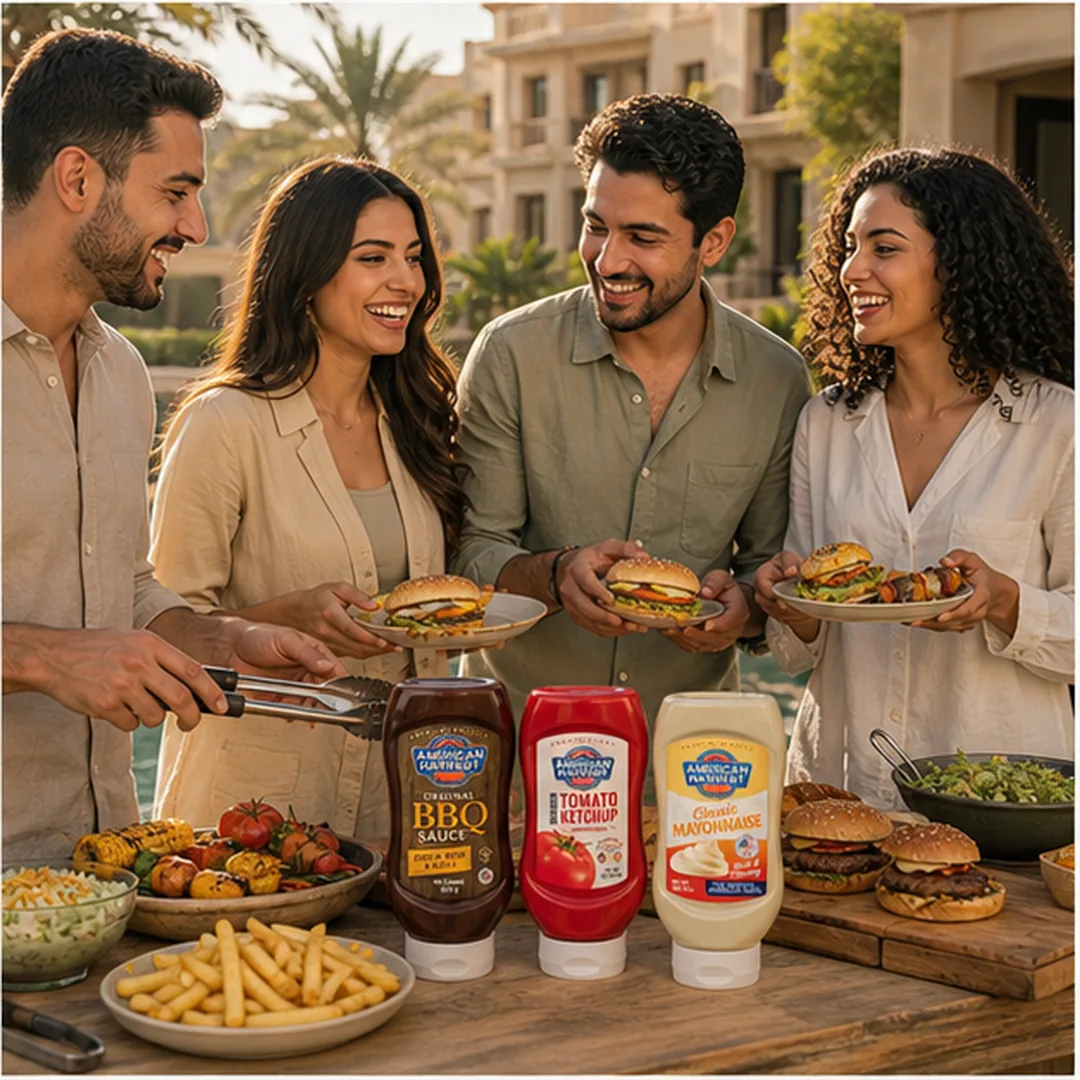
Bringing all of this together, it helps to picture a complete spread rather than a single sauce. A well-planned barbecue for friends or family in the cooler months might centre on a charcoal grill, with marinated meats and vegetables as the main event and a thoughtfully chosen set of sauces and condiments arranged alongside. The aim is variety and choice, so guests can mix flavours to their liking.
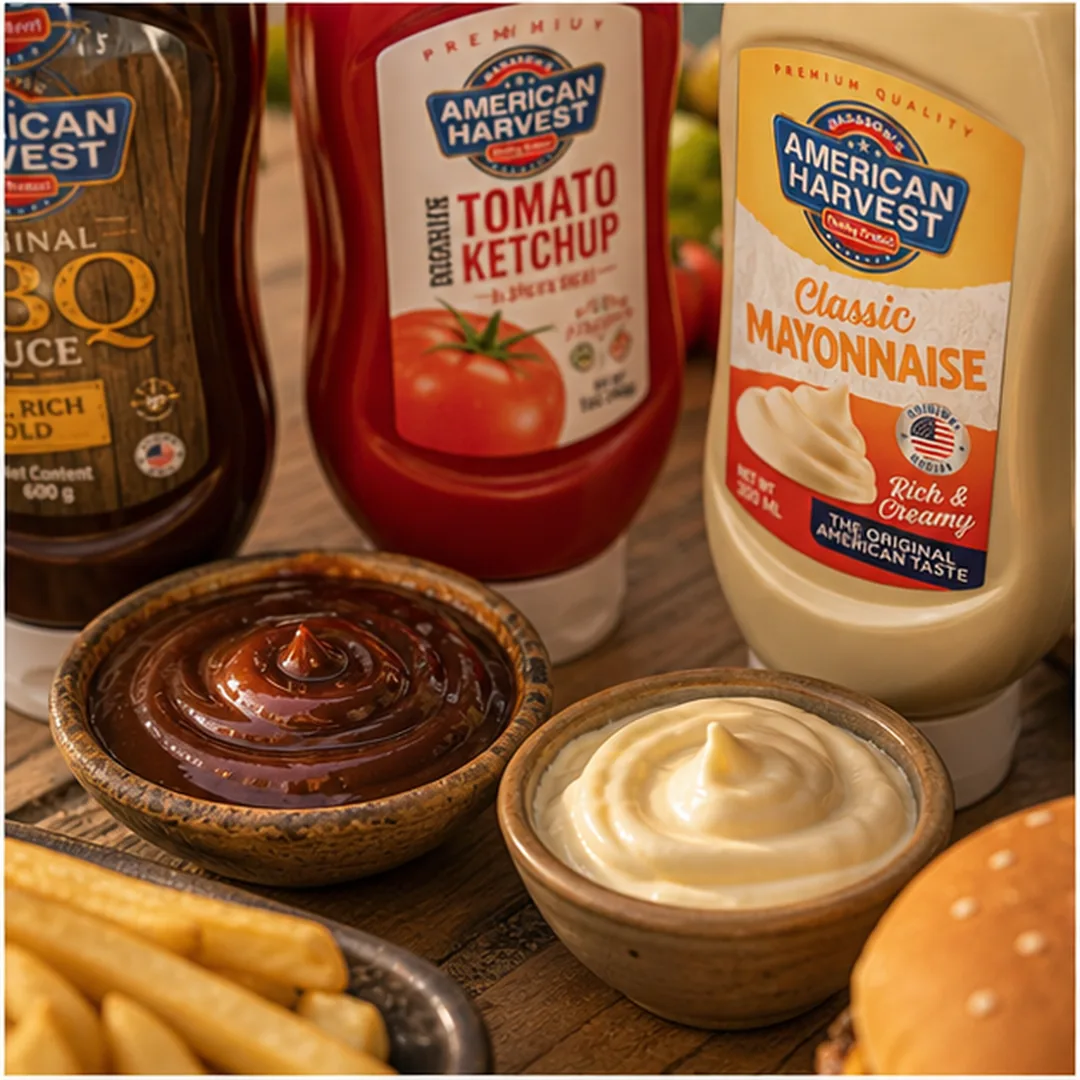
A practical spread might offer a sweet and smoky barbecue sauce for the glazed meats, a tangy vinegar sauce for anything rich, a mild and a hot sauce for those who want extra warmth, and a couple of classic condiments such as American mustard and a creamy dressing for burgers and salads. Around these sit the snacks and sides that keep guests happy while the grill works, turning a simple cookout into a generous, memorable occasion.
This kind of relaxed, abundant hosting fits UAE culture beautifully. The long, comfortable grilling season, the love of gathering family and friends, and the appetite for global flavours all point in the same direction, and authentic American sauces and condiments slot neatly into that picture. Far from replacing the dishes people already cherish, they expand the repertoire and give hosts more ways to delight their guests.
Opportunities for Home Cooks and Retailers
For home cooks, the growing availability of American condiments is an invitation to experiment. Keeping two or three different barbecue styles and a favourite hot sauce on hand opens up endless variety with very little effort. A sweet sauce, a tangy one and a hot sauce together cover most situations, and from that small base it is easy to branch out as your confidence grows.
For retailers, the category offers strong appeal, healthy margins and loyal repeat custom, particularly during the cooler grilling season. A well-curated shelf of authentic American sauces gives a store real character and keeps customers coming back, and because shoppers tend to settle on favourites, that repeat business compounds over time.
There is a seasonal rhythm worth planning around. As the weather cools and outdoor entertaining picks up, demand for barbecue sauces and grilling condiments rises noticeably. Retailers who anticipate this and ensure popular lines are well stocked ahead of the season tend to capture the strongest sales, while those who wait often miss the peak. Pairing sauces with related products, such as snacks and grilling staples drawn from the wider American range, can also lift overall basket value, and it is worth taking time to %see the full breadth of brands we bring to the region% when planning a shelf. If you are a buyer looking to stock these products, you are welcome to %speak to our team about supply% and the latest popular lines for the UAE and GCC markets.
Frequently Asked Questions
Why are American BBQ sauces becoming so popular in the UAE?
The UAE's strong outdoor and entertaining culture makes grilling hugely popular, and authentic barbecue sauce is the natural companion to it. A globally minded population that follows international food trends also wants to recreate the flavours they see celebrated abroad. The growth of casual American-style dining in the region has reinforced this, turning restaurant flavours into home-cooking demand.
What are the main styles of American barbecue sauce?
The most common are sweet and smoky Kansas City-style sauces built on tomato and molasses, tangy vinegar-based Carolina sauces that cut through rich meats, and spicier or mustard-based styles with bolder flavours. Texas sauces tend to be thinner and more savoury. Beginners usually find the sweet and smoky style the easiest and most versatile starting point.
Which barbecue sauce should I choose for ribs and chicken?
A thick, sweet and smoky sauce is the classic choice for ribs, chicken and burgers because its sugar caramelises into a glossy glaze. Apply it only in the final few minutes over the heat so it does not burn. For pulled pork, a thinner, tangy vinegar-based sauce is often a better match.
How can I be sure I am buying genuine American condiments?
The authentic flavour comes from a product's specific recipe, so buy from importers and retailers that stock real US brands with correct local labelling. Organised distribution helps ensure these products are fresh, in good condition and reliably available. Checking the ingredient list and date coding on the pack is a quick way to confirm you have the real thing.
What is the difference between barbecue sauce and a marinade?
A marinade is used before cooking to flavour and tenderise raw meat, often containing acid, oil and seasonings. Barbecue sauce is usually a thicker, sweeter glaze applied during or after cooking. Many barbecue sauces can be thinned and used as part of a marinade, but their sugar content means they are best added late on the grill.
How do I read an American sauce label to know what I am getting?
Look at the ingredient order: tomato and molasses near the top indicate a sweet, thick sauce, while vinegar high on the list signals a tangier profile. Scan for sugar and sodium if those matter to you, and note the heat level on hot sauces. Confirm the product carries correct local-market labelling, which signals a proper import channel.
How should I store American sauces in the UAE climate?
Most barbecue and hot sauces are shelf-stable until opened, then the label usually recommends refrigeration. Given the warm climate, keep unopened bottles in a cool, dark cupboard and opened ones in the fridge to protect flavour and colour. Check date codes and use older bottles first.
Can retailers in the UAE and GCC stock these sauces in volume?
Yes. American barbecue sauces and condiments are a strong retail category with healthy margins and loyal repeat customers, especially during the cooler grilling season. Stocking popular lines ahead of the season and pairing them with related grilling staples lifts basket value. Contacting a distributor directly is the best way to discuss range, supply and the most popular current lines.
Are American hot sauces very spicy compared with regional chilli flavours?
American hot sauces span a huge range, from mild, vinegary, flavour-led bottles to intensely fiery products. Many are about flavour as much as heat, which makes them easy to enjoy a few drops at a time. Enthusiasts often enjoy comparing them with the chilli traditions already popular in the region and building a varied collection.