Few categories capture the appeal of American food culture as directly as beverages. The American soda you remember from a film, a holiday or a childhood trip carries a sense of place, and demand for that experience is strong across the UAE and the wider GCC. From iconic colas and root beers to fruit punches, ready-to-drink iced teas and a fast-expanding energy-drink segment, American beverages occupy a distinctive niche on shelves from Dubai to the rest of the Gulf.
For shoppers, the draw is authenticity and variety. For retailers, beverages are a high-frequency, high-visibility category that can build footfall and basket value. The American soda aisle in the UAE works hard precisely because it does two jobs at once: it satisfies a recognised craving and it invites discovery. A single chilled cabinet can hold a flavour someone has been searching for since their last trip abroad and, right beside it, something they have never seen before.
This article looks at what sets American drinks apart, how the main sub-categories perform in the GCC, and what it takes to source the genuine article reliably across a market that prizes both novelty and consistency. Whether you are a shopper trying to decode the aisle or a buyer building a range, the same principles apply: lean into the variety, protect authenticity, and treat beverages as part of a complete American food experience rather than an afterthought.
Why American sodas stand apart
American sodas are known for bold flavour profiles and a deep bench of varieties that go well beyond the global mainstream brands. Root beer, cream soda, cherry colas, citrus blends and regional specialities give the category a personality that travels well. Many of these flavours are simply not produced anywhere else at the same scale, which is precisely why imported American soda in the UAE commands genuine interest rather than being a like-for-like substitute for local options.
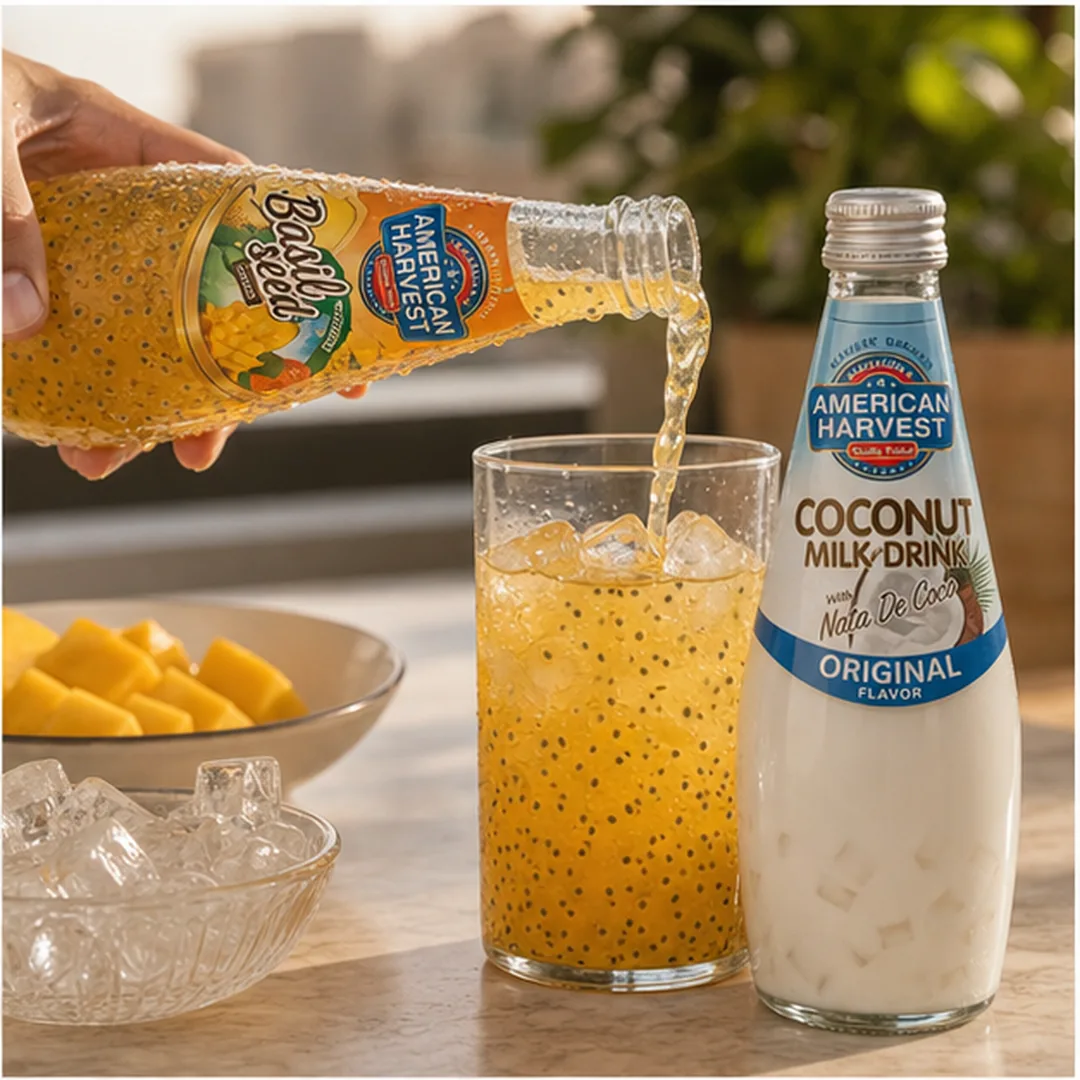
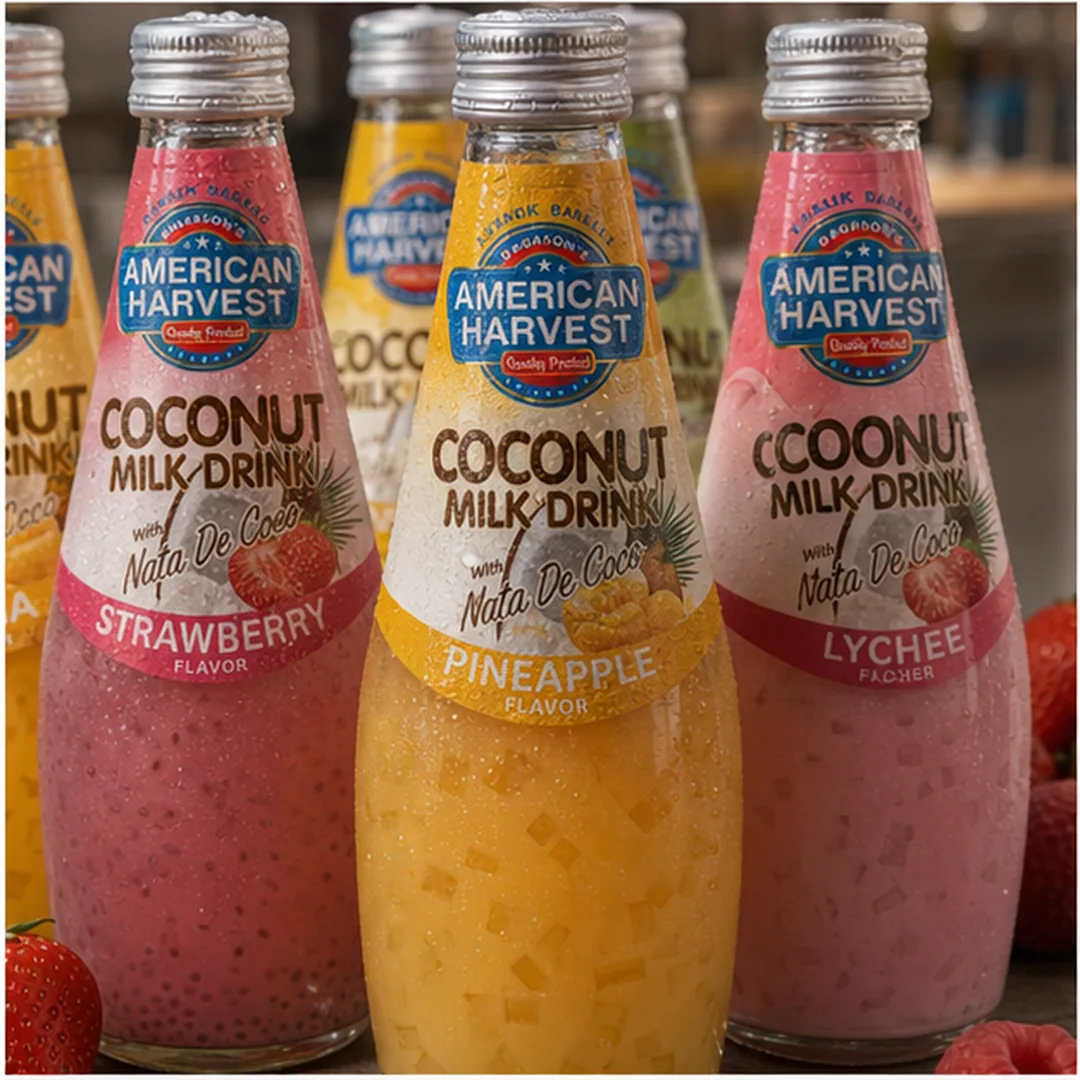
Packaging is part of the appeal too. The classic American can and bottle formats, seasonal editions and nostalgic branding all add to the sense that the shopper is buying an authentic slice of the United States. When you %see the American beverages we import%, you will see how much of the category is built around that recognisable look and the variety behind it. The visual identity of these drinks is not incidental; it is one of the main reasons a shopper reaches for the imported product over a generic alternative sitting alongside it.
Nostalgia and discovery side by side
What makes American sodas unusually resilient on the shelf is that they appeal to two different shoppers at once. There is the nostalgic buyer, often an expat or returning traveller, who is reaching for a specific flavour tied to a memory. And there is the curious buyer, frequently younger, who treats the American aisle as a place to discover something they have never tried. A root beer or a vividly coloured cherry cola is as much a talking point as a refreshment, and that shareable novelty keeps the category lively.
Retailers who carry a rotating selection of less common flavours give both shoppers a reason to come back and check what is new. The nostalgic buyer rewards consistency, returning whenever a favourite is in stock, while the curious buyer rewards change, drawn in by anything they have not encountered before. A range that serves only one of these instincts leaves value on the table. The strongest American soda sections in the UAE balance dependable staples with a steady trickle of the unusual, so the aisle never feels static.
The role of regional and limited flavours
One of the quiet strengths of the American soda category is the sheer number of regional and limited-edition flavours that the United States produces. Drinks tied to particular states, seasons or holidays carry a story, and that story is part of what shoppers in the Gulf are buying. A flavour that is hard to find even within America becomes a genuine talking point on a shelf in Dubai or Abu Dhabi. For retailers, these editions are a low-risk way to keep the aisle interesting: even a small allocation of a limited flavour signals to regular customers that the range is curated and worth checking often.
Juices, punches and ready-to-drink lines
Beyond carbonated drinks, American juices and fruit punches have a loyal following in the GCC. Bold fruit blends, lemonades and ready-to-drink iced teas suit the climate and pair naturally with a snack-and-drink shopping habit. The ready-to-drink segment in particular has grown as consumers look for convenient, single-serve options for the office, the car and on-the-go moments where a chilled bottle is more practical than anything that needs preparing.
American fruit punches and lemonades occupy a slightly different emotional space from sodas. Where a cola is an everyday refreshment, a punch or a flavoured lemonade often carries associations of summer, family gatherings and childhood. That emotional pull translates well to a GCC audience that includes a large expatriate community and many shoppers who have travelled or studied abroad. The drink is familiar, the memory is personal, and the purchase feels like a small reconnection with that experience.
Matching drinks to the GCC climate and habits
The Gulf climate makes chilled, refreshing beverages a year-round staple rather than a seasonal one. With summer temperatures regularly exceeding 45 degrees on the coast, a cold drink is not a treat reserved for warm afternoons; it is a daily expectation. American lemonades, fruit punches and iced teas fit comfortably into that pattern, and they complement the snack categories that shoppers already associate with American food.
For retailers, merchandising drinks alongside complementary snacks is a simple way to lift basket size. A shopper picking up American crisps or candy is a natural candidate for an American drink to go with them, and placing the two within easy reach turns one purchase into two. Chilled, single-serve formats positioned near entrances and checkouts capture impulse buys, while multipacks in the main aisle serve the household shop. Reading how people actually move through the store, and placing the right format in the right spot, often matters as much as the range itself.
The appeal of nostalgic and seasonal flavours
Fruit punches and flavoured drinks carry a particular emotional pull because so many of them are tied to specific memories of childhood, summers and family occasions. American makers also lean heavily into seasonal and limited-edition runs, releasing flavours timed to holidays and the changing year. For UAE shoppers, coming across one of these editions feels like a small find, and for retailers it is a way to keep the aisle fresh and give regular customers a reason to look twice.
Rotating in a few of these limited flavours, rather than carrying only the year-round staples, is one of the simplest ways to keep the category feeling current. It costs little in shelf space and pays back in the sense that the range is alive and curated. Customers who know a store regularly stocks something new will check in more often, and that habit of returning is precisely what turns a beverage aisle from a commodity shelf into a destination.
The rise of American energy drinks
Energy drinks are one of the most dynamic parts of the beverage aisle in the UAE, and American brands have a strong presence. The category appeals to younger consumers, students, gym-goers and shift workers who want a familiar, recognisable product. Variety is again a key advantage, with American energy drinks offering a wide spread of flavours, formats and sugar-free options that keep regular buyers engaged rather than settling into a single habit.
The energy-drink shopper tends to be brand-loyal but flavour-curious, sticking with a trusted name while happily trying its newest variant. That behaviour rewards a retailer who carries the full breadth of a brand rather than a single hero product. A shopper who can find their preferred energy drink in three or four flavours, including a zero-sugar option, has little reason to look elsewhere, and that loyalty makes the category one of the most dependable repeat-purchase segments on the shelf.
Because energy drinks are subject to specific regulatory and labelling expectations in the region, sourcing matters more than ever. Genuine imports arrive with the correct labelling and formulation, which protects both the retailer and the consumer. Stocking the authentic product, rather than an unverified parallel import, is central to maintaining trust in this fast-moving segment, where shoppers are loyal to specific brands and quick to notice anything that looks off.
Serving a health-aware audience
The growth of sugar-free and lighter energy and soft drinks reflects a broader shift among UAE consumers towards more mindful choices. Offering both the full-sugar classic and its zero-sugar counterpart side by side lets a retailer capture the indulgent buyer and the calorie-conscious one without alienating either. The same logic applies across juices and sodas, where lighter variants increasingly sit alongside the originals as equals rather than afterthoughts.
This is not simply a matter of stocking a diet version out of obligation. For many shoppers the sugar-free option is now the default choice, not the compromise, and a range that treats it as a minor addendum can miss a substantial part of the audience. Presenting the regular and the lighter version together, with equal prominence, signals that the retailer understands how people actually drink today. It is a small adjustment in how the shelf is laid out that reflects a real change in how the category is bought.
Sourcing genuine American beverages in the GCC
The biggest risk in the beverage category is authenticity. Lookalike products, mislabelled imports and inconsistent supply can quickly erode shopper confidence. Working with a dedicated importer addresses all three by guaranteeing genuine American stock, correct documentation and a dependable supply chain across the GCC. Cold-chain handling, careful storage and reliable replenishment all matter as much as the product itself, particularly for chilled lines.
- Authentic formulation and branding straight from the United States
- Correct labelling aligned to regional requirements
- Consistent availability so shelves stay stocked
- A breadth of flavours and formats to build a credible range
- Reliable cold-chain handling for chilled and sensitive lines
For retailers and distributors, the practical question is where shoppers can reliably find these drinks. You can %locate a retailer that stocks them% to point customers to stockists, and if you want to understand the company behind the supply you can %learn more about who we are% and see how authentic American beverages are brought into the UAE and GCC. With genuine products and a steady supply chain, the beverage aisle becomes a dependable driver of repeat custom rather than a source of inconsistency.
Why consistency of supply matters as much as authenticity
Authenticity gets the shopper to the shelf, but consistency keeps them coming back. A drink that is brilliant when in stock but absent for weeks at a time trains shoppers to look elsewhere. The expatriate and well-travelled audience that drives much of this category is particularly sensitive to gaps, because they often have a specific product in mind before they enter the store. Reliable replenishment, accurate forecasting and a supply chain that can absorb seasonal spikes are therefore not back-office details; they are part of the customer experience. A range that is genuine and always available will outperform one that is genuine but erratic.
Building a beverage range that performs
The strongest American beverage ranges combine three elements: recognisable hero products that pull shoppers in, a spread of distinctive flavours that reward exploration, and the convenience formats that suit on-the-go consumption. Layer in sugar-free and lighter options to broaden appeal, keep the range genuinely authentic, and the category will reward both the shopper looking for a taste of America and the retailer looking for dependable turnover.
Format matters as much as flavour. The same cola in a single-serve can, a sharing bottle and a multipack serves three completely different shopping occasions, and a range that ignores format diversity leaves sales unclaimed. Single-serve chilled drinks belong near the entrance and the till; multipacks and larger bottles belong in the main aisle for the planned household shop. Thinking in occasions rather than just products is what turns a list of drinks into a range that performs.
Get the mix right and the beverage shelf becomes one of the most consistent performers in the store. It draws footfall, encourages add-on purchases, and rewards the kind of curiosity that brings shoppers back to see what is new. Few categories combine high purchase frequency with this much room for discovery, which is exactly why American beverages punch above their weight on a well-managed shelf.
Understanding the GCC beverage shopper
Building a strong range starts with understanding who is buying. The GCC, comprising the UAE, Saudi Arabia, Qatar, Kuwait, Bahrain and Oman, is one of the most internationally diverse consumer markets in the world, and the UAE in particular is home to a population that is largely expatriate and concentrated in its cities. That demographic profile shapes the beverage aisle in ways that are easy to overlook. A shopper in Dubai may have grown up in North America, studied in the United States, or simply travelled there often enough to have formed clear preferences. For that shopper, the American drinks aisle is not exotic; it is familiar.
At the same time, the region has a large and growing population of younger consumers who treat American food and drink culture as aspirational and worth exploring. These two groups, the nostalgic and the curious, often shop the same shelf for opposite reasons. The skill in serving them lies in not treating the audience as a single type. A range that assumes every shopper is hunting for a familiar favourite will miss the explorers, while a range built entirely around novelty will frustrate the loyalists. The most successful beverage sections hold both instincts in balance.
Family shopping and the occasion economy
Much shopping in the GCC happens at the household level, with larger baskets and an eye on the week ahead rather than the single serve. American beverages fit naturally into this pattern when they are offered in formats that suit the family fridge: multipacks of soda, larger bottles of juice and punch, and variety packs that let a household keep several flavours on hand. Occasions matter too. Weekend gatherings, school holidays and the long social evenings that the climate encourages all drive demand for shareable drinks. A retailer who reads these rhythms and stocks accordingly will find the category responds strongly to the calendar.
Navigating regulation and labelling in the region
Beverages, and energy drinks in particular, sit within a clear regulatory framework across the GCC. Authorities pay close attention to formulation, labelling and the claims that products carry, and energy drinks are subject to specific expectations around content and presentation. For a retailer, this is not a burden so much as a reason to be careful about sourcing. A genuine import that has come through the proper channels will already meet these expectations, with correct labelling and a formulation that matches what is sold in its home market and is appropriate for the region.
The risk lies almost entirely with unverified parallel imports. A product that has bypassed the proper channels may carry labelling that does not meet local requirements, or a formulation that has not been checked against them. Beyond the regulatory exposure, this undermines shopper trust the moment something looks irregular. The well-travelled audience that drives this category knows what the genuine product should look like and is quick to spot a discrepancy. Sourcing through a dedicated importer removes that uncertainty and lets the retailer focus on selling rather than on second-guessing the provenance of the stock.
Why provenance protects the retailer
Clear provenance is ultimately a form of protection. When a retailer can trace a product back to a recognised importer and, through them, to the original manufacturer, both the regulatory and the reputational risk fall away. The labelling is correct, the formulation is appropriate, and the supply is accountable. Should any question ever arise about a product, there is a clear chain to answer it. That accountability is invisible to the shopper on a good day, but it is exactly what keeps a good day from becoming a problem, and it is one of the most underrated reasons to work with a dedicated supply partner.
Logistics, cold chain and shelf life
Behind every well-stocked beverage aisle sits a logistics operation that rarely gets noticed until it fails. Beverages are heavy, they take up volume, and some lines are sensitive to heat and handling. In a market where summer temperatures regularly exceed 45 degrees, the journey from port to shelf is not a trivial detail. Drinks that are stored or transported poorly can suffer in quality long before their printed date, and the shopper who has a disappointing experience with one bottle may not return for the brand at all.
This is where a capable importer earns its place. Proper warehousing, temperature-aware handling for sensitive lines, and a replenishment rhythm that keeps stock moving rather than ageing on the shelf all contribute to the product the shopper finally picks up. Shelf life management matters too: rotating stock so that older inventory sells first, and forecasting demand so that fast-moving lines never run dry while slower ones do not languish. None of this is glamorous, but it is the difference between a beverage range that feels fresh and dependable and one that feels neglected.
Planning for seasonal and event-driven peaks
Demand for beverages is rarely flat. It rises around holidays, school breaks, major sporting events and the social peaks of the year, and it can spike sharply when a new or limited flavour arrives. A supply chain that cannot absorb these peaks leaves shelves empty at exactly the moments when shoppers are most motivated to buy. Good forecasting and a flexible replenishment capability turn these peaks from a risk into an opportunity. The retailer who is well stocked during a demand surge captures sales that a less prepared competitor simply loses, and the importer who can scale supply to meet those surges becomes a genuinely valuable partner rather than a mere wholesaler.
Common mistakes retailers make with American drinks
Even an attractive category can underperform when a few avoidable mistakes creep in. The most common is treating the range as static, stocking the same handful of staples month after month and never refreshing it. This squanders the discovery instinct that makes the category special and trains the curious shopper to stop looking. A close second is the opposite error: chasing novelty so hard that the dependable favourites go out of stock, frustrating the loyal buyer who came in for one specific thing.
Another frequent misstep is neglecting format. A range that offers only single cans, or only large bottles, serves one shopping occasion well and several others poorly. Pricing is a further trap, where an importer's value is reduced to a unit cost and the reliability, authenticity and supply consistency behind it are overlooked, only for the cheapest source to disappoint on availability or provenance. Finally, poor placement undoes good buying: a strong range hidden in a low-traffic corner, or divorced from the snacks and food it naturally complements, never reaches its potential.
- Letting the range go stale by never rotating in new or limited flavours
- Chasing novelty so hard that core favourites run out of stock
- Offering too narrow a spread of formats for different occasions
- Judging suppliers on unit price alone, ignoring reliability and provenance
- Placing the range away from complementary American snacks and food
Avoiding these mistakes does not require any special expertise, only a willingness to treat the category with the same care as any other high-frequency section of the store. A range that is rotated thoughtfully, kept in stock, offered in the right formats, sourced from a reliable partner and placed where shoppers can find it will reliably outperform one where these basics are neglected.
Pricing, value and positioning the category
Imported American beverages occupy a particular place on the price ladder, and how a retailer positions them shapes how the category performs. These are not commodity soft drinks competing purely on price; they are speciality products bought for their authenticity, variety and the experience they offer. Trying to position them as the cheapest option on the shelf misreads why shoppers reach for them in the first place. The buyer who wants a specific American root beer or a hard-to-find cherry cola is not comparing it line by line against a generic local cola; they are buying something the local cola cannot offer.
That said, value still matters, and it is best expressed through range, format and reliability rather than through a race to the bottom on unit price. A shopper who can find their preferred drink in the right format, consistently in stock and genuinely authentic, perceives strong value even at a premium. Multipacks and larger formats offer a clear value message for the household shop, while single serves carry the convenience premium that impulse occasions support. Positioning the category honestly, as a speciality experience rather than a discount staple, tends to protect margin and build the kind of loyal custom that thin pricing rarely does.
Letting the importer relationship do the heavy lifting
Much of the value a retailer offers in this category actually originates upstream, in the relationship with the importer. A supplier who guarantees authenticity, manages the cold chain, absorbs seasonal peaks and keeps the range fresh with new and limited flavours is doing a great deal of the work that makes the shelf successful. Judging that relationship on unit price alone misses the point. The reliability, breadth and provenance that a strong importer provides are precisely what allow a retailer to position the category with confidence and to keep shoppers coming back.
The outlook for American beverages in the Gulf
The trajectory for American beverages in the GCC looks favourable. The forces that drive the category, an internationally minded population, a strong appetite for authentic imported food culture, and a climate that makes chilled drinks an everyday staple, are all durable rather than passing. As the region's consumer base continues to grow and diversify, the appetite for genuine, recognisable American drinks is likely to deepen rather than fade.
Within that broad trend, a few shifts are worth watching. The move towards sugar-free and lighter options will continue, and ranges that present these as equals rather than afterthoughts will be best placed to benefit. The energy-drink segment is likely to remain one of the most dynamic, rewarding retailers who carry the full breadth of trusted brands. And the steady stream of seasonal and limited flavours from the United States will keep giving the category its sense of discovery, provided importers can bring those editions to market reliably. For retailers willing to manage the category with care, American beverages are positioned to remain one of the more rewarding corners of the store for years to come.
Pairing beverages with the wider American range
American beverages rarely sell in isolation. They are at their strongest when they sit within a broader American food offering, where a shopper browsing for snacks, candy or breakfast items naturally reaches for a familiar drink to match. A cola or root beer next to the burger and barbecue staples, an iced tea beside the snack aisle, an energy drink near the checkout for an impulse pick: each placement reflects how people actually shop.
Thinking about beverages as part of a complete American experience, rather than a standalone shelf, is what turns occasional curiosity into a regular habit. For shoppers, that joined-up approach means the drink they want is always close to the food they came in for, and for retailers it makes the entire American category greater than the sum of its parts. When the drinks, the snacks and the pantry staples all feel like parts of one coherent offer, the whole section gains credibility and the basket grows naturally.
If you are a buyer planning a range or a shopper looking for a particular product, the best starting point is to %get in touch with our team% with any questions, or simply %explore the full American Harvest Foods range% to see how beverages sit alongside snacks, candy, breakfast and pantry lines. Treated as one connected experience rather than a series of separate shelves, authentic American food and drink become a genuine destination in the store, and the beverage aisle plays a central part in drawing shoppers in and bringing them back.
Frequently Asked Questions
What makes American sodas different from other imported drinks?
American sodas are known for bold flavours and a wide variety that includes root beer, cream soda and cherry colas that are hard to find elsewhere. The classic packaging and nostalgic branding add to the appeal. That combination of unusual flavours and authentic presentation is what drives demand in the UAE and GCC, where shoppers value both the taste and the sense of buying a genuine slice of American culture.
Are American energy drinks available in sugar-free versions?
Yes, many American energy-drink brands offer sugar-free and lighter formulations alongside their standard lines. This broadens their appeal to health-conscious and calorie-aware consumers. Stocking both regular and sugar-free options helps a retailer serve a wider audience, and for many shoppers the zero-sugar version is now the preferred choice rather than a compromise.
How do I know imported American beverages are genuine?
Genuine American beverages are sourced through recognised importers and arrive with correct formulation and labelling aligned to regional requirements. Buying from authorised stockists is the most reliable way to avoid lookalike or unverified parallel imports. This protects both retailers and consumers, and it is especially important in the energy-drink segment where formulation and labelling are closely regulated.
Which American beverages suit the GCC climate best?
Chilled, refreshing drinks such as lemonades, fruit punches and ready-to-drink iced teas suit the warm Gulf climate well. They are popular as year-round staples rather than seasonal items, given that temperatures stay high for much of the year. Carbonated sodas and energy drinks also perform strongly across the region, particularly in single-serve chilled formats.
Why are limited-edition American flavours worth stocking?
Limited and seasonal flavours give regular customers a reason to keep checking the aisle, which builds the habit of returning. Even a small allocation signals that a range is curated and current rather than static. For retailers they are a low-risk way to keep the category feeling fresh, and for shoppers they offer the small thrill of finding something rare.
How should retailers merchandise American beverages?
Single-serve chilled drinks work well near entrances and checkouts to capture impulse purchases, while multipacks and larger bottles belong in the main aisle for the planned household shop. Placing drinks alongside complementary American snacks and candy encourages add-on purchases. Thinking in terms of shopping occasions, rather than just products, helps the range perform.
Do American beverages pair well with other American food products?
Very much so. Beverages are at their strongest when they sit within a broader American food offering, so a shopper browsing snacks, candy or breakfast items can easily reach for a matching drink. A cola beside the barbecue staples or an iced tea near the snack aisle reflects how people actually shop. This joined-up approach makes the whole American category more compelling.
What is the most common mistake when sourcing American drinks?
The most common mistake is prioritising authenticity while neglecting consistency of supply. A genuine product that frequently goes out of stock trains shoppers to look elsewhere, particularly the well-travelled audience that often arrives with a specific drink in mind. Reliable replenishment and a supply chain that can absorb seasonal spikes are just as important as the authenticity of the product itself.
Are American juices and fruit punches popular in the UAE?
Yes, American juices, lemonades and fruit punches have a loyal following, helped by bold fruit blends that suit the warm climate and pair well with snacks. Many of these drinks carry nostalgic associations with summer and family occasions, which resonates with the large expatriate community. Ready-to-drink single-serve formats have grown particularly quickly thanks to their convenience.
Where can shoppers buy genuine American beverages in the GCC?
Genuine American beverages are available through retailers supplied by dedicated importers who guarantee authentic stock and reliable availability. Shoppers can locate stockists through a where-to-buy resource and buyers can contact the importer directly to discuss range and supply. Buying through these channels ensures the products are authentic, correctly labelled and consistently available.